How to care for wild-collected orchids? A veteran grower of 12 years uses 6 major methods and not a single plant has died
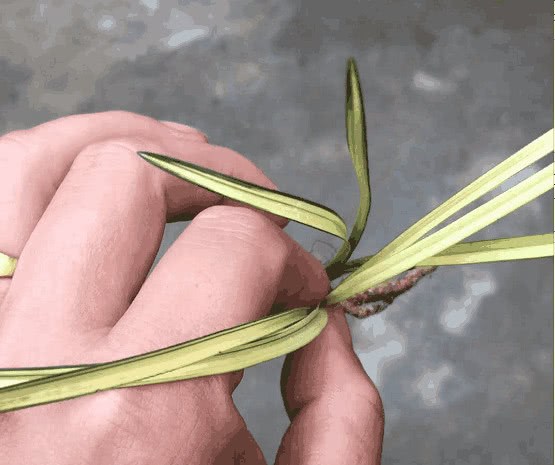
There are many orchid enthusiasts online who like wild-collected orchids. For the care of wild plants, in addition to following the general orchid care methods, you should also pay attention to these 6 major requirements. A veteran grower of 12 years shares experience in planting and growing wild-collected orchids, and has never had a single orchid die.
1) Shading: after wild plants are potted, place them in a shady spot for seven to fifteen days, and only then can they be placed in the orchid growing area. Light shading should be controlled at above 80%. For wild plants planted in the ground, even more attention should be paid to shading in the initial planting period.
2) Avoid moisture: prevent the potting soil from becoming too wet. Generally, beginners at orchid growing often kill wild plants by planting them. The reason is mainly that the potting soil is too sticky and heavy, and watering is too much and too frequent, resulting in poor root aeration, hindered respiration, root rot, and orchid leaves withering and falling off. Restricting watering is especially important. The roots of wild plants are severely damaged, and when their water-absorbing function has not yet returned to normal, in order to reduce water transpiration, pay attention to three points! <1> shade, <2> spray water on the leaves, <3> sprinkle water on the ground,
3) No fertilizer: wild plants do not need fertilizer in the first year of cultivation, because the root absorption function has not completely returned to normal and the nutrients in the growing medium are still sufficient. In the 2nd and 3rd years, only a modest amount of dilute liquid fertilizer may be applied.
4) Remove flowers: in the first year of cultivating wild plants, they generally can bloom. Due to the change in environment and damage to the plant, blooming under weakened vitality and resistance is undoubtedly a great loss to the mother plant and will clearly affect its survival and growth. Therefore, flowering should be controlled. If there are many flower buds, only 1-2 may be retained and the rest removed. For the retained ones, once flowering is complete and variety identification has been made, the flower scape can be removed.
5) Plant protection: when the resistance of wild-collected plants is weakened, various diseases and pests are very likely to spread and proliferate among the wild plants, so prevention and control work should be done early.
6) Cherish them: among wild plants, newly discovered novel varieties and strong specimens are extremely rare, so they should be treasured even more, carefully cared for, and their survival ensured, so they can be domesticated and developed. One should know that the existing traditional precious varieties all have a arduous and lengthy cultivation process.