A tonic covered in thorns, once picked freely in the mountains 20 years ago, now sells for 20 yuan per jin
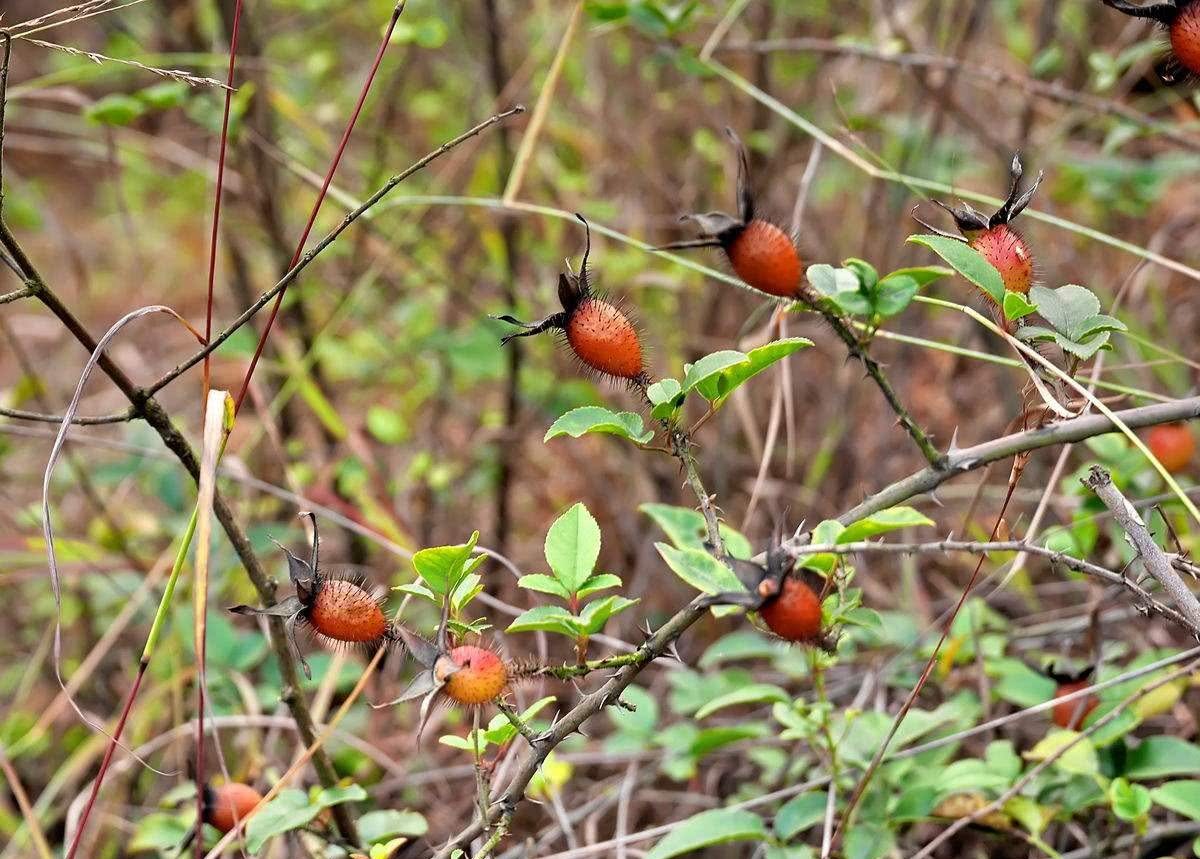
Now that we have entered the golden autumn month of September, many crops have ripened, and farmer friends have begun busily harvesting the fruits of their labor from most of the past year. After finishing the harvest, many farmer friends also do not forget to go into the mountains to harvest some special delicacies, namely the wild foods of the mountains. September is not only the season when crops ripen, but also the season when many wild foods ripen, and wild fruits are one of them.
Speaking of wild fruits, friends who live in rural areas have almost certainly eaten them. Even though these wild fruits are wild, unmanaged, and some even look quite ugly, their taste and nutritional value are no less than common fruits, and are even better.
Below, the author will introduce one such wild fruit that ripens in September. Although it looks frightening, it is a treasure in the eyes of farmer friends.
Speaking of this wild fruit, many friends seeing it for the first time may feel the same way the author did when first seeing it: can this wild fruit be eaten? Why say that? Because this wild fruit looks quite frightening. It is covered all over in thorns, and they are sharp, long, and hard. Not only that, even the tree that bears this wild fruit is the same: its branches, trunk, and leaves are also covered in thorns. This wild fruit is "Cherokee rose fruit" (Rosa laevigata), commonly called "mountain pomegranate," "mountain pheasant head," or "sugar jar" in the rural areas of the author's hometown.
I remember that more than 20 years ago, the mountains in the village were full of Cherokee rose fruit, and you could pick them anywhere. At that time, the author was still in elementary school. Every day after school or during holidays, I would go with friends from the village to the mountains, pick a handful, carry them in our clothes, and take them home to eat. Although this Cherokee rose fruit looks scary, it is actually very delicious to eat. You can remove the thorns and eat it directly, or eat it after drying it. Especially after drying, it is not only chewy but also very sweet, just like honey.
Cherokee rose fruit was not only loved by rural children; adults also loved it very much. At that time, conditions in the countryside were poor, one could say very poor, and things like white sugar were very scarce, so many older farmer friends would use this Cherokee rose fruit to make sugar, which is why it got the common name "sugar jar."
Besides being eaten as a wild fruit and used to make sugar, using Cherokee rose fruit to brew liquor and steep liquor is even more outstanding. According to the elders, people often did farm work in the past, and combined with poor living conditions, minor problems such as waist and leg pain were unavoidable, so older farmer friends would go into the mountains to find wild herbs, wild fruits, and the like to steep in liquor and drink to relieve them.
Cherokee rose fruit is one of them. It can not only be used to steep liquor, but also to brew liquor, and drinking it often is also beneficial for relieving muscle and bone pain. Therefore, at that time many people who did farm work regarded this Cherokee rose fruit as a tonic and would keep a large bottle of it at home.
Now, with social progress, people have gradually come to understand the value of this Cherokee rose fruit. Its nutritional value is extremely high. It not only contains rich sugars, vitamins, and various trace elements, but also has medicinal value such as securing essence and reducing urination, and stopping uterine bleeding and leukorrhea, which has made it increasingly popular. Now wild Cherokee rose fruit generally sells for about 20 yuan per jin, which counts as a high-value wild fruit.
Dear friends, did you eat Cherokee rose fruit when you were children? Is there a saying where you are about using Cherokee rose fruit to steep liquor? Welcome to leave a message and share!