Struggling to grow succulents in autumn? Choose the right varieties for fast growth and propagation
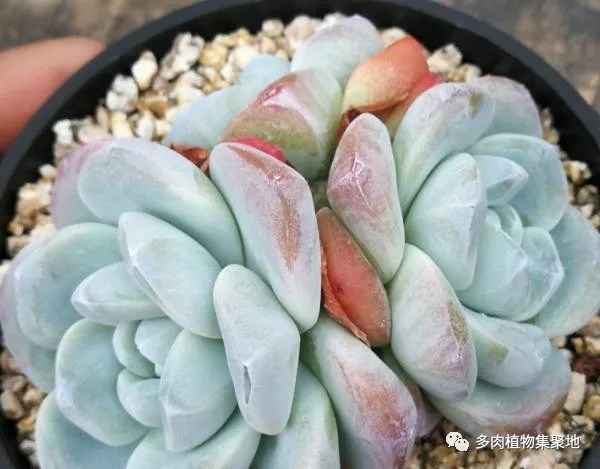
Buying succulents in autumn is a very good choice, and at this time most succulents are in their growing season, the environment is quite suitable, and succulents will settle into their pots relatively quickly. Although the price is a bit higher than in summer, more of them will survive than in summer, and they are also easy to bring into peak condition.
Some flower enthusiasts say that when they first kept succulents, many died during the high temperatures of summer. Although they bought succulents again in autumn, they did not buy many, since beginners should learn to draw on experience at the start, and if a beginner keeps too many succulents, they will not be able to look after them all. It is better to keep fewer and care for them more carefully, so fewer succulents will be lost.
For beginners, it is best to start by buying some common, easy varieties when first keeping succulents; those in the Crassulaceae family are relatively easy to keep alive. If they are growing well, you can propagate succulents by leaf cuttings and grow more of them. Although more may be lost in summer, there is still a chance that one or two pots will be left for you, so next time you buy succulents you can buy fewer varieties and spend a little less money.
In the relatively cool northern regions, spring-and-autumn-growing succulents begin to grow in late August, while in southern regions growth is delayed until early to mid-September. Growth is slow at first, so you can water appropriately, but not too much, and do not fertilize, to avoid root rot caused by too much fertilizer or water. After the plants resume growth, for succulents of the Liliaceae genera Haworthia and Gasteria, which have slightly higher air humidity requirements, you can mist the plants in the morning and evening, or cover the plant with a clear, colorless beverage bottle with the top cut off to increase air humidity, making the leaves plump and full with a bright, beautiful color.
Winter-growing succulents, representative types: in Aizoaceae, Lithops, Conophytum, Dinteranthus, and Titanopsis; in Liliaceae, Bowiea volubilis and Gasteria; in Crassulaceae, Crassula perfossa, Crassula 'Green Pagoda', and Crassula 'Sarmentosa'. Most varieties of Aizoaceae succulents such as Lithops and Conophytum bloom in this season.
Winter-growing succulents generally begin to grow in early to mid-September. For varieties with extremely succulent leaves, such as those in the Aizoaceae genera Lithops, Conophytum, and Pleiospilos, you can give plenty of light so the plants grow strong and healthy. For other varieties of winter-growing succulents, avoid harsh sun exposure.
This is a gathering place for succulent enthusiasts, sharing succulent care tips. You are welcome to follow and join the discussion.