8 small berries suitable for growing in a yard or on a balcony; grow them well and you can harvest fruit in all four seasons
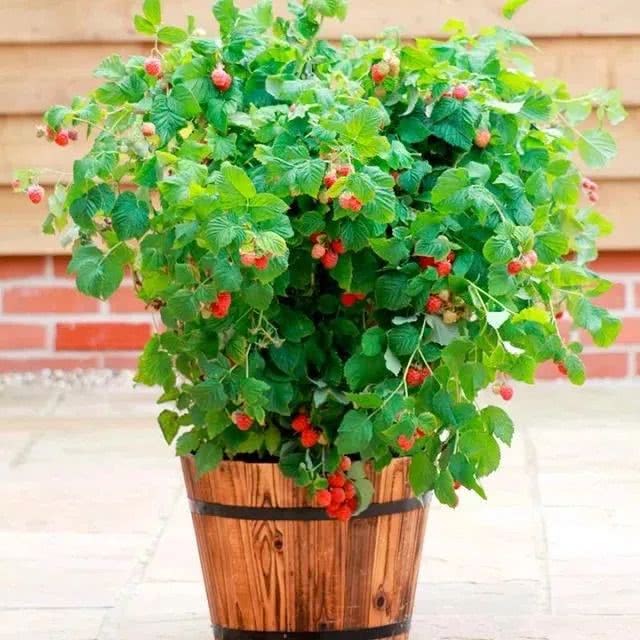
If you want to grow a small perennial orchard on your balcony, growing berries is a good choice. You can choose some that are cold-hardy, easy to grow and strongly resistant to pests and diseases. The small berries below adapt extremely well to their environment, like plenty of light and a ventilated, light-transmitting spot, and with proper care can be harvested in all four seasons.
Note:
If you grow berry plants on a balcony, you need to protect the fruit from being eaten by birds when it ripens. Also remember that most berry shrubs like slightly acidic soil, so before planting you should test the soil pH; for container growing you need to mix the soil yourself.
1. Raspberry
The raspberry was originally a delicious wild fruit, and there are now many garden cultivars; even in the harshest environments they can thrive, and they are very easy to grow. They take 3 or 4 years to bear fruit. To care for raspberries, give them plenty of light, and keep the soil well drained and slightly acidic. Keep the environment ventilated and light-transmitting to avoid fungal infections.
2. Blackcurrant
This fruit can be grown by almost anyone; it is extremely cold-hardy and very delicious. It likes slightly acidic soil but also grows well in neutral soil. Choose loose, airy, well-drained soil for planting, and keep the growing environment cool and moist. When planting, you can spread a 3-5 cm thick layer of mulch around the base of the stems to keep the roots cool.
3. Blueberry
Many people like blueberries; they taste very delicious. They can also be used to make salads or pies. To grow blueberries, choose slightly acidic soil with fairly high fertility, and the most suitable soil pH is between 4.0 and 5.5. If the soil is on the alkaline side, it needs to be improved appropriately, with regular supplements of ferrous sulfate solution, and the growing environment should have plenty of light.
4. Rowanberry
They were originally a flowering shrub native to North America, and their taste is very sweet. They are well suited to growing in neutral soil. The growing environment should have plenty of light, and the soil should stay well drained; they can grow well without frequent watering.
5. Gooseberry
The gooseberry is a very popular berry plant and can be grown all over the world. Growing gooseberries requires choosing loose, fertile, well-drained soil, and the growing environment should have more than 8 hours of direct light. When first planting, it is best to choose a shrub that is more than two years old; they generally need about the 4th or 5th year before they flower and bear fruit.
6. Mulberry
The mulberry is an especially easy plant to grow; it is in fact the fruit borne by the mulberry tree. Caring for a mulberry tree is particularly simple. It likes a warm and moist environment year-round, and the growing spot should stay ventilated and light-transmitting with as much light as possible every day. In winter, watering should be controlled. Its berries are green when they first ripen and turn purple when mature; be careful not to eat too many.
7. Strawberry
The strawberry is one of the most famous and most popular berries in the world; it generally bears fruit in spring and summer, and it looks very beautiful, with both the flowers and the small berries being charming.
Growing strawberries requires loose, airy, well-drained, slightly acidic soil, and regular watering to keep the soil moist. Do not plant too many strawberry plants in each pot; being overcrowded is also not good. Keep plenty of light every day, and give an organic liquid fertilizer once every two or three weeks.
8. Lingonberry
The lingonberry was originally a cold-hardy berry plant growing in more northerly regions, and its small berries contain very rich vitamin C.
The lingonberry is a very low-growing, relatively slow-growing evergreen shrub, somewhat similar to the blueberry. But growing lingonberries requires a relatively cold environment; it does not grow well in a warm, dry environment, and needs a very cold winter and moist soil to thrive.
If your area is cold year-round, you can grow lingonberries; they can withstand the cold temperatures of the Northeast region. The drawback is that they grow especially slowly and generally need to grow for more than five years before they bear fruit.