3 signs that an orchid has settled into its pot, and 1 of them is an advanced state in orchid growing
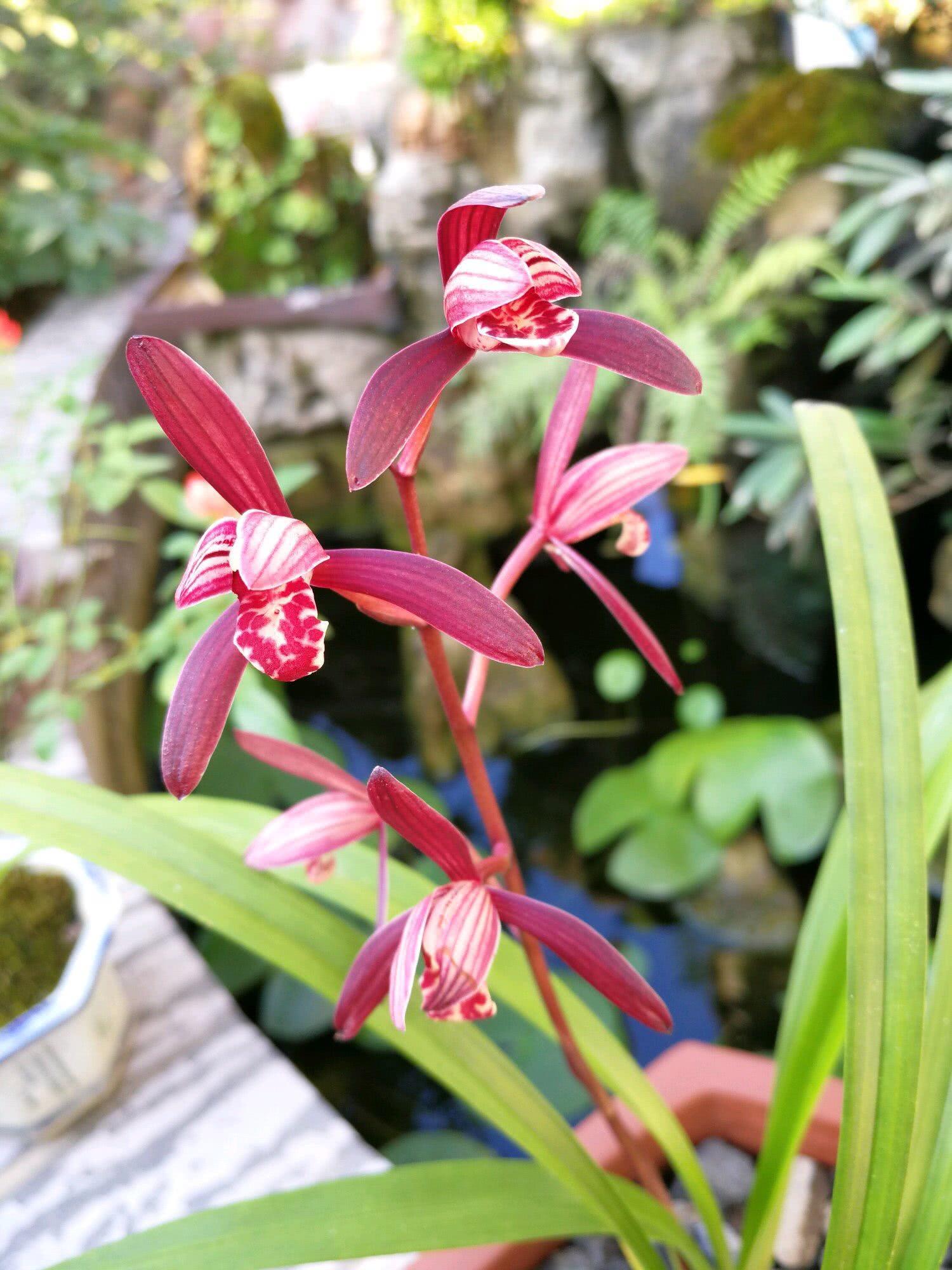
When growing orchids, after buying flowering seedlings and bringing them home, if they do not come with a pot, you orchid owners will have to pot them up. Potting up an orchid involves one issue, and that is the issue of settling into the pot. New orchid owners usually do not know when an orchid has settled into its pot or what the signs are. The little gardener actually was not very clear either, so I specially went to ask a veteran orchid grower. The image is from forum friend "Guanshi Buyi".
1. There is one taboo when an orchid settles into its pot: repotting to check the roots
However, there is one basic thing the little gardener does know, and that is that when we check whether an orchid has settled into its pot, we should not just dig it out to look at the soil. The orchid seedling has barely managed to settle in and send out new roots, and this one dig wastes all the previous effort, so it has to start all over again, which is very damaging. Let us still look at the veteran's opinion.
2. Sign one that an orchid has settled into its pot: look at the leaves
The veteran said, if you cannot dig it out to look at the roots, then look at the leaves. The leaves can very directly show signs of settling in. If the leaves show symptoms of twisting, flipping, scorched tips or dehydration, as long as one of these appears, it means it has not settled in well and there is a problem. If the leaves are in very good condition, standing upright, and standing fairly steadily, this shows it is already settling in, and the problem is not serious, so just wait quietly for new shoots.
3. Sign two that an orchid has settled into its pot: look at new shoots
The veteran also said, if the leaves show no movement, then we can observe another thing: whether new seedlings have emerged from the soil. An experienced veteran can see the orchid sending out shoots not long after potting up. This is closely related to the condition of the orchid seedling, the soil used, the environment and so on. The little gardener will reveal to you an old orchid friend's little soil mix recipe: 4 parts snakewood, 3 parts pond mud, 2 parts bark, 1 part granular stone the size of a fingernail. This recipe is one of the veteran's commonly used soil mixes.
4. The most "advanced" state of an orchid settling into its pot
The veteran also said, when an orchid settles into its pot, there is also a relatively "advanced" state. The little gardener calls it advanced because this state is usually something you come across by luck rather than by seeking it. Only when factors such as environment, soil mix and orchid seedling fit perfectly can it be achieved. This state is: in the early morning, the orchid's leaves naturally drip water, and the leaves stand upright and full of spirit. This is a state many orchid owners long for, and as beginners, let us take this as our goal to strive for.
5. When an orchid settles into its pot, there are "particulars" about using fertilizer
The veteran said, if you want the orchid to settle into its pot faster, new orchid owners must also pay attention to one point: watering in the early stage must be rigorous. If autumn is dry, spray water at night to increase humidity. At this time, absolutely do not use fertilizer, because the orchid has not yet settled into its pot, and even if you give it fertilizer, it cannot take it in. Fertilizer accumulates in the pot and very easily causes fertilizer burn and scorches the seedlings. So when can fertilizer be used?
When we find the orchid sending out new shoots, for the time being let it first send out small shoots. When the small shoots grow to about 3 cm, we can supplement fertilizer, and at this time we must supplement with a thin fertilizer for strengthening seedlings, strengthening roots and nourishing roots. Do not use concentrated fertilizer, and do not use chemical fertilizer. Chemical fertilizer will irritate orchid seedlings after they have settled into the pot, is not good for root care, and its pungent smell can also affect the health of family members, so it is not recommended. Let us still use organic nutrient solution fermented from plants.
Of course, the time for an orchid to settle into its pot is not fixed; this depends on multiple factors. New orchid owners must not worry too anxiously. Even if you have learned 72 methods of care, you still have to wait until it has settled into its pot before using them. During the settling-in period, we still have to honestly and steadily care for the orchid seedlings.