This is how to grow Haworthia so it thrives; just don't use the wrong method
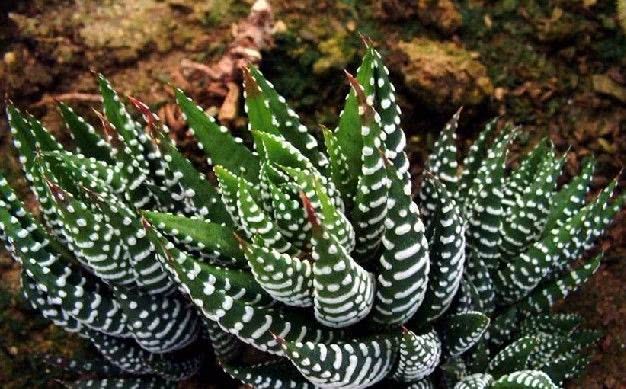
In Yatou's eyes, the zebra haworthia (Haworthia fasciata) is a magical presence among succulents! Its exterior is icy cold, yet it can withstand the passion of summer! It has long been known by the lovely name "desert golden pheasant." Placing a small pot of it on a balcony or desk is excellent! But there are secrets to caring for it too. This is how you should grow the haworthia at home!
Control watering and ensure drainage
Its requirements are much the same as most succulents: it needs to be planted in sandy soil with good drainage! Watering should also be properly controlled; do not water until dry, and as long as the soil surface has not dried to the point of cracking, it is fine! Of course, standing water in the pot is also not acceptable!
Avoid strong light
Unlike other succulents, haworthia is afraid of strong light. You can tell from the patterns on its surface: with too much sun, the patterns fade and the leaves get scorched. Proper care with diffused light is enough!
Coordinate light and temperature
Light and temperature must match each other. When the temperature is high, provide shade and do a good job of cooling it down! When the temperature is on the low side, give it appropriate light!
Fertilizing
With a newly purchased haworthia, you basically don't need to worry about fertilizing; it can go a year. After a year, it needs repotting and fertilizing. While repotting, you can propagate it by division! With a zebra haworthia this beautiful, how could one pot at home possibly be enough!
Prevent rot
Haworthia is, after all, a succulent, so a slight mistake in watering can easily cause the roots to rot. Don't worry though: take it out of the pot in time, cut away the rotted roots, soak it in carbendazim to disinfect, and replant it!
Wilting
After growing it for a while, you suddenly find the haworthia has dried out and become crisp. At this point you need to check whether the soil is too loose and poor at holding water. Replace the soil in time. On the other hand, you need to confirm the light conditions: whether too much light has caused dehydration.