Don't throw away this part of the pomegranate: it protects blood vessels, fights aging, and can even help prevent strokes
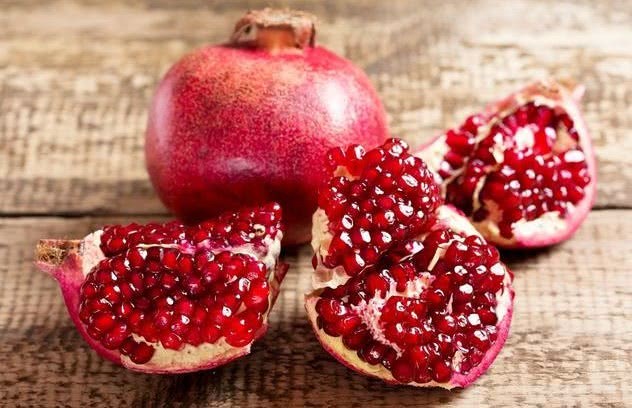
It's almost pomegranate season again. In China, the pomegranate has always been regarded as a mascot, a symbol of many children and abundant blessings. But in fact, the pomegranate itself is rich in nutrients, including vitamin C, organic acids, folic acid and more, all of which have excellent health benefits for the human body. Together with its abundant minerals, anthocyanins and red pomegranate polyphenols, it can hydrate the skin and fight aging, making it perfect for women who want to look beautiful. Besides the flesh, the pomegranate leaf, flower and peel all have medicinal properties too, so it can truly be said to be a treasure from head to toe, a genuine health mascot.
Many people, when eating a pomegranate, like to spit out the seeds, because pomegranate seeds are fairly hard and don't taste good, and people with poor digestion worry that eating them will cause diarrhea. Over time, people have gotten into the habit of simply throwing the seeds away.
In fact, pomegranate seeds are extremely nutritious, and many nutrition experts advise people to chew the seeds and swallow them along with the flesh when eating a pomegranate; some traditional Chinese food therapy prescriptions also point out that eating pomegranate seeds together with the flesh can treat mouth sores and mouth ulcers. The pomegranate seed polyphenols contained in the seeds have the following effects on human health:
1. Boosting capillary vitality and strengthening capillary walls: people with stroke, diabetes, arthritis or edema, as well as people who smoke often, are advised to eat more pomegranate seeds, because pomegranate seed polyphenols can increase the thickness of blood vessel walls and improve blood circulation, thereby protecting the blood vessels. In addition, because the hammer shape of the arteries weakens, relieving arterial pressure may help prevent bruising and reduce the formation of varicose veins.
2. Improving skin smoothness and elasticity: many skincare products and women's anti-aging supplements nowadays advertise that they contain red pomegranate seed essence; in fact, pomegranate seed polyphenols really can help the skin resist damage from free radicals and collagen-degrading enzymes, thereby preventing the formation of wrinkles and making the skin fair and smooth.
3. Improving brain function and preventing stroke: pomegranate seeds are an excellent dietary antioxidant that can cross the blood-brain barrier and directly protect brain cells; they also help prevent strokes from occurring.
What should you do if pomegranate seeds are too hard to crack open with your teeth?
Pomegranate seeds are good, but when eating them there is still one hurdle: they are too hard, and people with poor digestive function may find that eating them adds to the burden on their stomach and intestines. So if you don't want to miss out on nutrients like pomegranate seed polyphenols, you can juice the flesh together with the seeds and drink it, or choose soft-seeded pomegranates to eat.
In addition, the editor would like to remind everyone that there are a few precautions to keep in mind when eating pomegranates, so don't forget them:
1. Pomegranate should not be eaten together with foods such as tomatoes, crab, watermelon, potatoes or sea cucumber, otherwise it may cause physical discomfort.
2. Pomegranate is relatively hard to digest, so people with a weak spleen and stomach or poor digestive function should eat less of it.
3. Pomegranate contains a relatively high amount of organic salts, so clean your teeth promptly after eating to avoid corrosion of the enamel on your teeth.