These 3 kinds of flower fertilizer can be picked up freely by the roadside; new shoots sprout like crazy and flowers fill the pot
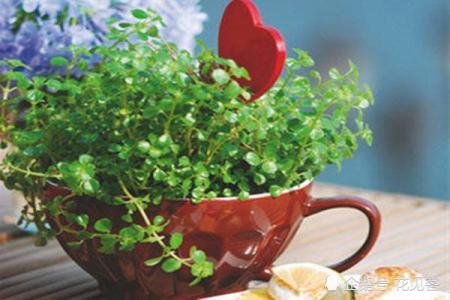
More and more people like to keep some flowers and plants at home, and growing flowers is inseparable from fertilizer. Some flower lovers spend money buying flower fertilizer to grow flowers, but after autumn begins, flower fertilizer can be found everywhere by the roadside, especially these 3 kinds that can be picked up freely; new shoots sprout like crazy and flowers burst into a pot full, so stop spending money buying them.
1. Earthworm castings
Earthworm castings can be found in all four seasons and are called the "king of organic fertilizer." They are rich in nutrients, can promote the growth and flowering of flowers and plants, and earthworm castings are granular powder that can provide aeration and drainage.
You can collect some earthworm castings by the roadside or in a park, then put them under the sun to bake for 3-5 days. After grinding them into powder, you can directly sprinkle them on the surface of the potting soil, or mix them with soil when repotting to increase soil fertility.
2. Willow branches
Willow branches are called natural auxin because they contain salicylic acid, willow acid, and so on, which can increase plant activity and promote root and stem growth and new shoot differentiation.
Collect a few current-year willow branches, remove the leaves, cut them into small segments, then put them under the sun to bake. After they are completely dry, crush them, then dig a few small holes around the edge of the flower pot, put the crushed willow branches in, and cover them with soil again. The salicylic acid will be released as the willow branches ferment and be absorbed by the root system.
3. Pine needles
Pine needles are also especially good for growing flowers. They can not only provide nutrients, but also increase the soil's aeration and drainage and reduce how quickly it becomes compacted.
Pine needles can be collected as long as you are under a pine tree. Then find a place, dig a hole, put the pine needles in, sprinkle some water every 3-5 days to keep them appropriately moist, and after about a month the fermentation is complete. They can be mixed with garden soil to plant flowers and plants, or a layer can be spread directly at the bottom of the flower pot.
That is all for the introduction to flower fertilizer for growing flowers. If flower lovers have other additions, you can share them with everyone in the comment section below. If you want to learn more about flower-growing knowledge, you can follow Huajianke!