Fertilize succulents in spring and autumn, and the leaves will grow plumper
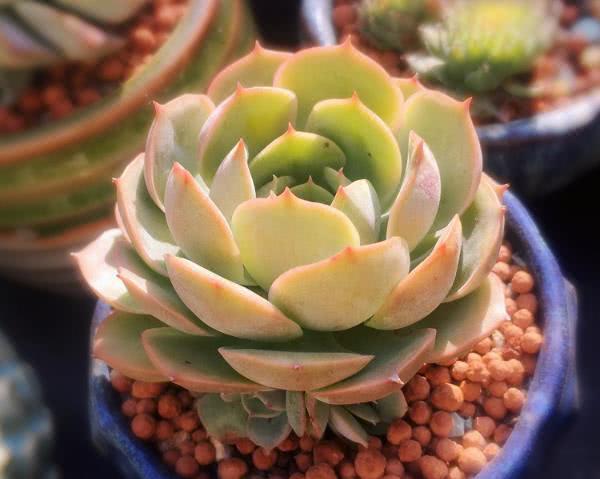
The native habitats of succulents are mostly desert wilderness, where the soil is barren and nutrients are scarce, so many growing enthusiasts advocate that succulent cultivation should simulate their native environment. The three essential elements for plant growth are: nitrogen, phosphorus, and potassium. Nitrogen is mainly concentrated in the leaves and branches of plants, so by supplementing with nitrogen fertilizer, you can promote the growth of leaves and branches. Lush foliage is the credit of nitrogen fertilizer.
Fertilizing is generally done in spring and autumn, and stops during the high-temperature period of midsummer. In winter, if heating is provided, you can fertilize some species that continue to grow or bloom in winter, but for most species, definitely do not fertilize. When fertilizing, the concentration should be controlled by preferring dilute over strong; it is better to fertilize several times than to risk applying strong fertilizer all at once.
In addition, there is another situation in which you should fertilize, which is when succulents are blooming. Plants blooming and fruiting consumes a large amount of nutrients, not just the phosphorus fertilizer we mentioned earlier. A plant's blooming and fruiting is an important life cycle, so at this time, all the plant's tissues cooperate with this important action of producing offspring, including: the stem will thicken to prevent lodging caused by overly heavy flowers and fruits. The root system will grip deeper to help absorb more nutrients. Some plants even shed leaves appropriately to avoid blocking insect pollination and fruit lighting.
Do succulent leaf cuttings also need fertilizer? When taking cuttings, you absolutely must not fertilize; without roots or stems, it easily causes rot. Even after roots have grown later, fertilizer must not be placed close to the plant. Do succulents need fertilizer to develop into old stumps? The plant needs strong indoor light and a dry growing environment. So besides the placement location, watering must be controlled, preferring drought over waterlogging. Usually, as long as the middle-layer leaves do not show slight wilting or wrinkling, do not water, to avoid leggy growth. During the peak growing season, you can give a dilute liquid fertilizer once a month.
Seedlings like water, so please keep the soil slightly moist, but not too wet. Stick your finger into the soil; it is best if some soil sticks to it. Seedlings get much of their nutrition from the mother leaf, and after growing roots, part comes from nutrients absorbed by the roots. If you want to fertilize, actually anything is fine, just use a smaller amount. I have been growing succulents for almost two years and use succulent-specific fertilizer. Although I do not know what is in it, I only use it on mature plants.
Succulent leaf cuttings do not need fertilizer; in fact, mature succulents are rarely fertilized. Generally, some slow-release fertilizer is buried in the soil, and during normal rainy days the succulents are allowed to get rained on, especially in thunderstorms, because when it thunders, many beneficial nutrients are produced. However, seedlings are not recommended to be rained on; you can collect rainwater to water them. Slow growth in leaf cuttings can also be due to the soil. It seems many beginners directly use dug-up garden soil for leaf cuttings, and leaf cuttings grown this way grow relatively slowly, because garden soil is relatively hard, while leaf cutting seedlings have soft roots and have difficulty taking root. So it is best to use peat plus coarse river sand at a ratio of 2:1.
This is a gathering place for succulent lovers, sharing succulent care tips. Welcome to follow and exchange ideas.