Rose, azalea, and gardenia always die on you? Here's one trick to keep them blooming for 3 months straight
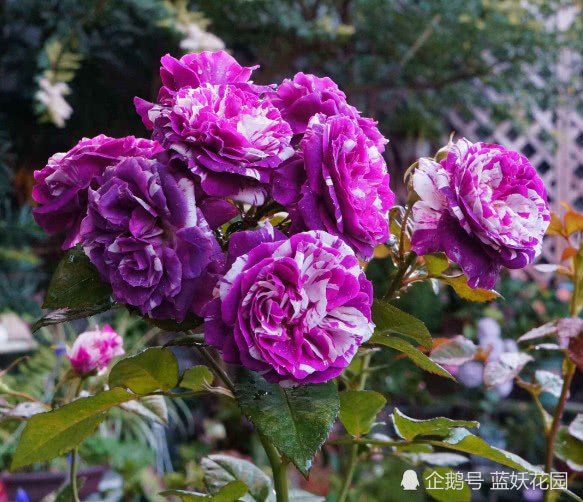
0073. Rose, azalea, and gardenia always die on you? Here's one trick to keep them blooming for 3 months straight!
Roses and azaleas can be called blooming machines, with very long blooming periods and lots of flowers, but many people just can't keep them alive.
Flower lovers often come to Lanyao's shop to buy roses and tell Lanyao that the roses they bought before all died, and they're so afraid they won't be able to keep them alive! From these flower lovers, Lanyao has summarized several of the top killer behaviors that cause roses to die.
Rose withering
Roses can tolerate neither drought nor waterlogging. Watering must follow the "dry-wet cycle" principle - water only when the soil is dry. Never water randomly without checking whether the potting soil is dry or wet.
Many flower lovers' roses die from overwatering, which causes root rot and withering death.
Rose yellowing leaves
Some flower lovers find that their roses easily develop yellow leaves. In fact, the causes of yellow leaves in roses can be roughly divided into the following categories. You can compare them with your own growing conditions and make adjustments accordingly.
1. Overwatering
Roses cannot tolerate waterlogging. Overwatering causes root rot in roses, which then shows as large numbers of yellow leaves and leaf drop. Always wait until the potting soil is dry before watering.
Those who habitually use trays should develop the habit of pouring out the water in the tray after each watering.
2. Excessive drought
Some flower lovers hear that roses shouldn't be watered too much, so they're afraid to water. They go a long time without watering, or only water a tiny bit each time, causing the roses to become too dry and develop yellow leaves.
Yellow leaves from drought first appear at the bottom. If large numbers of bottom leaves turn yellow and drop, and the potting soil is relatively dry, it's basically because the soil is too dry or the plant recently suffered from drought. Just water promptly.
3. Poor ventilation
A very important point in growing roses is ventilation. Good ventilation can reduce the occurrence of pests and diseases. If ventilation is poor, roses easily get black spot disease, showing yellowing and dropping leaves.
4. Lack of light
Roses love light very much and are sun-loving flowers. Growing roses should ensure sufficient light. If light is insufficient, it will also cause rose leaves to lose chlorophyll and turn yellow.
If your love for roses is true, then give them the spot in your home with the best light.
5. Nutrient deficiency
Potted roses easily develop nutrient deficiencies because roses need relatively large amounts of certain trace elements. Especially when our potting soil mix is relatively simple, nutrient deficiency is likely to occur.
When roses lack calcium, magnesium, iron, etc., yellow leaves will appear.
It's recommended not to make the substrate too simple when mixing soil. Fertilizing should also use more organic fertilizer. Also, don't use sandy soil to grow roses - it very easily leads to nutrient deficiency.
Rose pests and diseases
Roses have relatively many pests and diseases. In spring, aphids love rose tender tips the most. In early summer, red spider mites love to attack roses.
For rose pests and diseases, prevention should outweigh treatment. Regularly spraying pesticide for prevention is much better than treating after disease or pests appear.
Starting from spring, spray mancozeb and imidacloprid once every half month to prevent pests and diseases. For indoor growing, be careful to keep the environment well ventilated and apply more phosphorus and potassium fertilizer to strengthen the plant's resistance.
Azalea withered leaves
Azaleas have very long blooming periods and bloom abundantly, making them one of the easier flowers to fill out a pot. Azaleas are beautiful but not particularly easy to grow, and often develop yellowing and dropping leaves.
Azalea yellow leaves usually have the following causes:
1. Soil alkalization
Azaleas are a typical acid-loving flower. Potted soil easily becomes alkaline, especially when grown in the north, where management is more difficult.
After the potting soil becomes alkaline, it affects the azalea's absorption of iron ions, leading to iron-deficiency yellow leaves.
Iron-deficiency yellow leaves show as young leaves first losing chlorophyll and turning yellow, then leaf tips turning scorched yellow. Prevention of soil alkalization is key. During normal watering, add a little ferrous sulfate fertilizer to adjust soil pH and prevent soil alkalization.
2. Leaf blight
After azaleas finish blooming, leaf tips very easily become scorched and black. This is actually azaleas getting leaf blight. Every spring, spray fungicide for timely prevention and treatment.
3. Too dry
When the potting soil or air is too dry, it can also cause azalea leaves to turn yellow and drop.
Azaleas should be watered following the "dry-wet cycle" principle - water when dry. In dry seasons, pay attention to increasing air humidity.
4. Too much light
Azaleas love light but cannot tolerate strong sun. When light is too intense, it scorches the leaves, causing yellow leaves. Therefore, in summer, pay attention to shading to avoid exposure.
5. New roots not growing
Many flower lovers find that newly bought azaleas gradually wither after blooming. This is mainly caused by the azalea's roots not growing while blooming consumes a large amount of nutrients.
For newly bought azaleas, when potting, be sure to loosen part of the root ball and trim the roots to encourage new root growth. Otherwise, the plant easily withers because new roots don't grow.
Gardenia yellow leaves
Gardenia flowers are mostly white and fragrant, very popular among flower lovers. But potted gardenias are also not easy to care for - either the leaves turn yellow or they easily fail to bloom.
Gardenia leaf yellowing is mainly a problem of soil alkalization. Gardenia is also one of the typical acid-loving flowers. During normal care, pay attention to applying acidic ferrous sulfate fertilizer to adjust soil pH. Especially for flower lovers in the north, you can't stop using ferrous sulfate.
Gardenia not blooming
Many people grow gardenias with lush branches and leaves but they just won't bloom, or the flower buds wither halfway through. Why is that?
The main reason gardenias with lush branches and leaves don't bloom is too much nitrogen fertilizer, causing excessive vegetative growth. Flower buds withering and dropping halfway through is also mostly due to too much nitrogen fertilizer.
When this happens, stop applying nitrogen fertilizer and switch to phosphorus and potassium fertilizer to promote flower bud formation.
Have you grown any of these flowers Lanyao mentioned? You can leave me a message below.
To see more knowledge about growing flowers and vegetables, please follow Lanyao's WeChat public account: Lanyao Garden (ilanyao)