Hard to water your flower pots? Stick in a few straws and it gets much easier
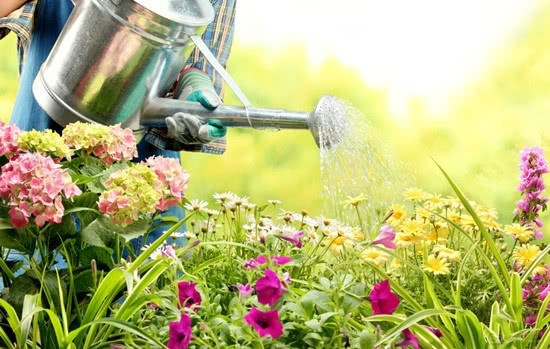
If you ask gardening beginners what their biggest challenge is, most of them will probably say watering. Watering really is crucial for growing flowers - get it wrong and your beloved plants at home will "kick the bucket." The key thing is that different flowers and plants need watering at different frequencies, which is enough to drive anyone crazy.
Actually, every seasoned gardener evolved from a beginner. After growing plants for a long time, you develop your own little tricks for watering. Today I'm going to introduce a few of them, so you never have to worry about watering again.
1. Stick a few straws into the flower pot
Sticking straws into a flower pot is a very unusual practice, but it really does help with root rot caused by overwatering and water accumulation. Once the straws are inserted into the soil, they improve the soil's looseness, allowing excess water to evaporate, and they also prevent the soil from compacting.
The specific method is to take long straws prepared in advance and insert them into the soil along the edge of the flower pot, ideally reaching all the way down to the bottom of the pot. The next step is to fill the inserted straws with coarse sand. After pulling out the straws, coarse sand columns will be left behind. This way, when you water in the future, water accumulation is much less likely to happen, and the plants will grow more vigorously.
2. Use a bamboo skewer to judge whether to water
Many times we water incorrectly simply because we have no idea when watering is actually needed. For most flowers, the potting soil should be relatively dry when it's time to water, but it's sometimes hard to judge with the naked eye alone. At times like this, we can use a small bamboo skewer to help, so we won't misjudge.
The method is to insert the bamboo skewer into the soil. If it comes out relatively moist, then don't water again. If it's relatively dry, you can water a moderate amount. Alternatively, after watering, insert the bamboo skewer and pull it out a few days later to check. If the color has changed noticeably, that means it's time to water. This little trick is very practical for beginner gardeners - no more worrying about watering wrong.
3. Use a squeeze watering bottle to water
Once you know when to water, the next step is to control how much you water. For plants like succulents, you generally don't need much water when watering. At times like this, you can use a squeeze-type watering bottle to water them, which lets you control the amount of water and prevents water accumulation caused by overwatering.
A squeeze watering bottle not only controls the amount of water but also the direction of watering, because many plants only need water at the soil and it shouldn't splash onto the stems and leaves. This kind of watering bottle solves that problem.
These few watering tips can improve some common watering problems. If you have even better methods, leave a comment and let me know!