Growing Vegetables on the Balcony: With One Small Trick, Vegetables Go from Thin and Leggy to Big, Plump and Lush
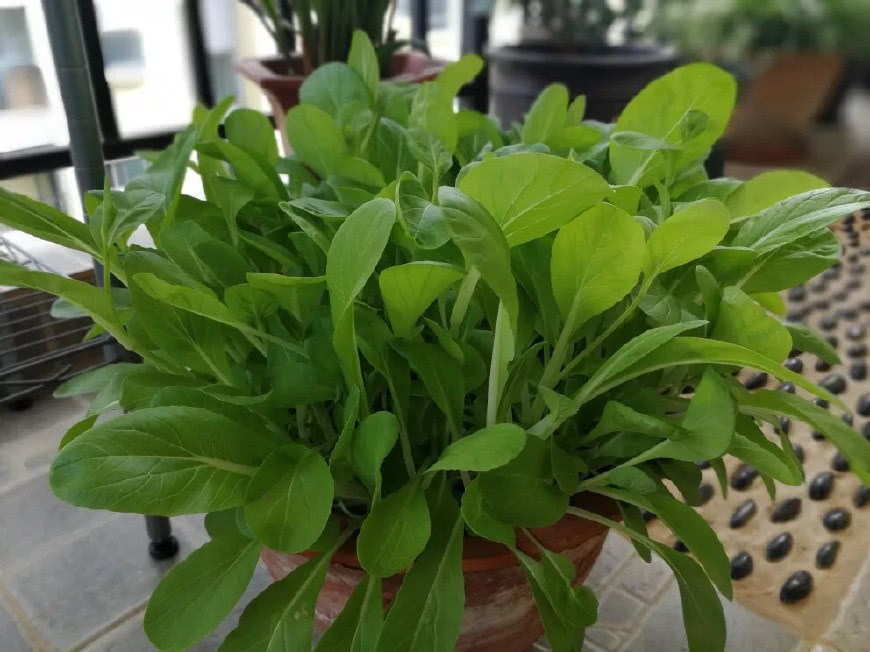
Growing some vegetables at home - when you're not eating them, the lush green is especially fresh and pleasing to the eye, and they're nice to look at; when you want to eat them, you just pick some, which is very convenient. Autumn is also a great time for balcony vegetable growing. When growing vegetables at home, some novices can sow pak choi, radishes, peas, garlic sprouts, cilantro and lettuce at this time. After a few months, you can harvest and eat them. Growing vegetables is very simple, and you can enjoy the fun of labor in the process. Watching the vegetables you planted grow bigger and bigger, with changes every day, is simply delightful.
But when growing vegetables at home or on the balcony, many vegetable growers encounter this situation: although the vegetable seeds sown have sprouted, the seedlings grow taller and taller and thinner and thinner, and in the end some seedlings may not even survive. What exactly is going on?
If balcony-grown vegetables are thin, weak and leggy, just do this one small step, and the vegetables will grow plump and vigorous with a big harvest!
First, when sowing, assess how big your pot is and how much area you're planting. If it's an ordinary flower pot with a diameter of about 20 cm, a dozen or twenty seeds is enough. Don't scatter too many at once. With too many seeds, the sprouts will be too dense, with no ventilation and no light penetration, so the vegetable seedlings will certainly not grow well and will easily compete for nutrients.
If too many have sprouted, we need to thin them out in time, that is, pull out some of the thin, small seedlings and keep the sturdy ones, giving them enough growing space so they can grow stronger and stronger.
Give them sunlight in time. After the seedlings emerge, they are still rather delicate. At this time, the midday sun in early autumn is still a bit strong, so we can give them the morning and afternoon sun. With more light, they will grow healthier and more lush.
Water less. If the potting soil is moist, don't rush to water. Too much watering easily causes waterlogging, and since the seedlings haven't grown big yet, their roots rot easily. On the contrary, watering a little less and giving a little more light is what lets them grow stronger and more vigorous.
Don't fertilize too much during the seedling stage. Wait until they have grown a few true leaves, then water with some organic fertilizer solution. Don't use chemical fertilizer, because although chemical fertilizer is powerful, the vegetables grown with it don't taste as good as those grown with organic fertilizer, and it also easily makes the potting soil compact.
It doesn't matter if the vegetables have grown leggy. Add some soil, mounding a bit of soil around them, and this will greatly alleviate the legginess. It will make them grow thicker and sturdier.
Once you know these few points, no matter what vegetable it is, you can grow it this way, and you too can successfully grow lush, eye-pleasing vegetables at home. The leaves are big and plump, they keep growing back after picking, and they're both tasty and pleasing to the eye!