When growing flowers in autumn and winter, avoid these 3 poisonous flowers; just 2 grams can poison a person
Keeping some potted flowers at home can beautify the home environment, and some can even purify the air, so it can really be considered worthwhile. In the world of flowers, we can generally divide them into three categories: flowering plants, foliage plants and succulents. Among them, the more common foliage plants include pothos, lucky bamboo, money tree, spider plant and so on, while there are more flowering plants, such as kalanchoe, clivia, Christmas cactus, gardenia and Chinese rose, etc. Although there are many kinds of flowers that can be grown, not every kind is suitable for keeping at home. This is especially true of those "poisonous flowers" that are easy to grow but toxic. It is now autumn, also a good time for growing flowers. Even if the following poisonous flowers are cheaper and easier to grow, do not take them home, because their toxicity is too strong, and even 2 grams can cause poisoning.
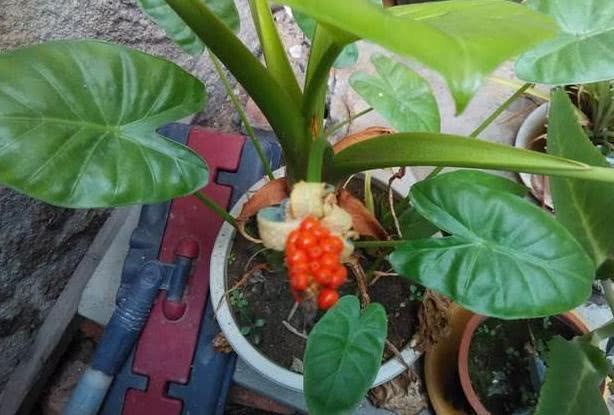
Alocasia (dumb cane) potted plant, toxicity level: 4 stars
Alocasia (dumb cane) is a very typical foliage plant. Its leaves are huge and emerald green, and its care and management are relatively simple. As long as it does not lack water, it will grow more and more vigorously. Many people grow it because its name sounds nice. Of course, it also has the effect of absorbing indoor dust and purifying the air. Even so, flower lovers are still not advised to grow alocasia (dumb cane). Because it is toxic, the stems and leaves of alocasia (dumb cane) contain a large amount of calcium oxalate, hydrocyanic acid and alkaloids, which can easily cause numbness and central nervous system poisoning.
Narcissus potted plant, toxicity level: 2 stars
You read that right, potted narcissus is indeed toxic, even though it is very common in daily life. Especially every Chinese New Year, many people buy a pot and put it in the living room just for its meaning of "reunion and beauty." Narcissus blooms are bright and fresh, but its flower head contains lycorine, and if the sap of the leaves and flowers touches the skin, it will cause skin redness and swelling. If a child accidentally eats the flowers, it will further cause enteritis, vomiting or diarrhea. Of course, as such a beautiful flowering plant, it would be a pity not to grow a pot of narcissus, so if flower lovers want to grow it, it is recommended to place it outdoors or in a high place indoors.
Rhododendron potted plant, toxicity level: 3 stars
Many people question, is rhododendron not toxic? Rhododendron, with bright and elegant flowers, let us put it this way: rhododendron has both toxic varieties and non-toxic varieties. Let us directly say which kind is toxic. Generally, yellow and white rhododendrons are toxic. They contain a large amount of toxins, and after poisoning they will cause symptoms such as vomiting, difficulty breathing and numbness of the limbs. For such beautiful flowers, when growing them, everyone had best not grow the white and yellow ones. Pink, red and others can all be chosen.
As for poisonous flowers, there are far more than the 3 kinds mentioned above. There are also some, such as the "morning glory," "mimosa" and oleander, poinsettia, tulip and even hyacinth, which were commonly seen in childhood, and all of them are toxic. Actually, these poisonous flowers are not that critical. As long as you do not easily touch the branches and leaves, do not over-inhale the heavy floral fragrance, and do not let small children touch them or even accidentally eat them, then there is no problem.
That is all for sharing knowledge about poisonous flowers. Thank you for reading!
Remember to like and share~