Is saltwater tank maintenance a hassle? Hangtai Aquarium: Actually, it's not hard at all
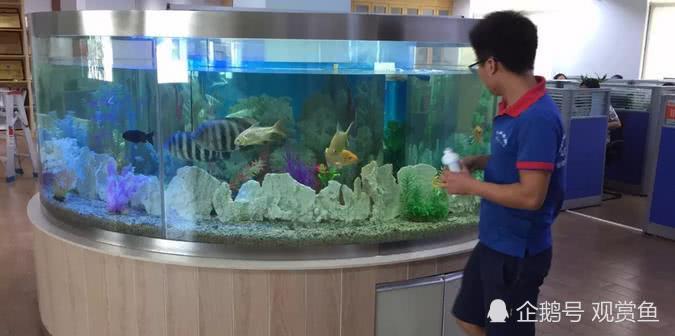
Many fishkeepers find saltwater tanks rather troublesome to maintain, which is why relatively few people keep saltwater fish. In fact, once a saltwater tank is set up, all that's left is keeping the water clean, removing algae and other debris and impurities from the water, and creating a clean, comfortable environment for your saltwater ornamental fish. That makes cleaning the tank an essential task. Faced with a large saltwater tank, how should you clean it?
1. Prepare cleaning tools
An algae cleaning pad for cleaning the glass inside the tank, a siphon-style substrate cleaner, a siphon hose, filter media (filter canister, sponge, bamboo charcoal pieces, etc.), glass cleaner or vinegar solution, mixed salt, pH test strips, a salinity probe, a thermometer, and a 10% concentration bleach solvent. These tools may look complicated, but you can buy them all in one stop at a professional aquarium market.
2. Remove algae
Use the algae cleaning pad to remove algae residue from inside the fish tank. For residue that has stuck for a long time and is hard to remove, use a metal blade or plastic blade to scrape it off.
3. Change the water
A saltwater fish tank only needs a water change once every two weeks, and changing 10% of the water each time is enough to remove nitrate from the water. You can use a siphon hose to draw out the old water; the process is very simple.
4. Clean the substrate
Most of the waste, food residue and other debris from saltwater ornamental fish is buried deep in the substrate, making it hard to clean. You can extend a siphon-style substrate cleaner into the substrate to suction it out. If the saltwater ornamental fish are small or delicate, you can slip a clean stocking over the end of the siphon hose to prevent harming the fish.
5. Clean decorations
The most effective method is to take the decorations out of the fish tank and soak them in water containing a 10% concentration bleach solvent for 15 minutes. Then rinse them with clean water and let them air-dry before putting them back in the tank. If there are stubborn stains, you can remove them with an algae cleaning pad or a clean soft-bristled toothbrush.
6. Check for salt creep
When saltwater evaporates up to the top of the fish tank, it leaves a hard crust-like residue. This is salt creep, and it means the tank needs to be topped up with water.
Adding water to a saltwater fish tank is more complicated than for a freshwater tank. Water temperature, salinity and pH all affect the fish's health. First prepare distilled water or reverse osmosis water, heat it with a dedicated heater, and add mixed salt. One fishkeeper shared a very good rule of thumb: for saltwater mixing, add about 135 mg of mixed salt per 3.8 liters of water, and use a salinity probe to check the salinity. The ideal reading is 1.021-1.025.
Search the mini program on WeChat: Hangtai Aquarium Service. After logging in, you can see more articles on fishkeeping knowledge and aquarium equipment, fish tanks and more. Lots of discounts, don't miss out~