This all-natural health vegetable is pulled up as a weed by farmers, but it is actually a treasure from root to tip
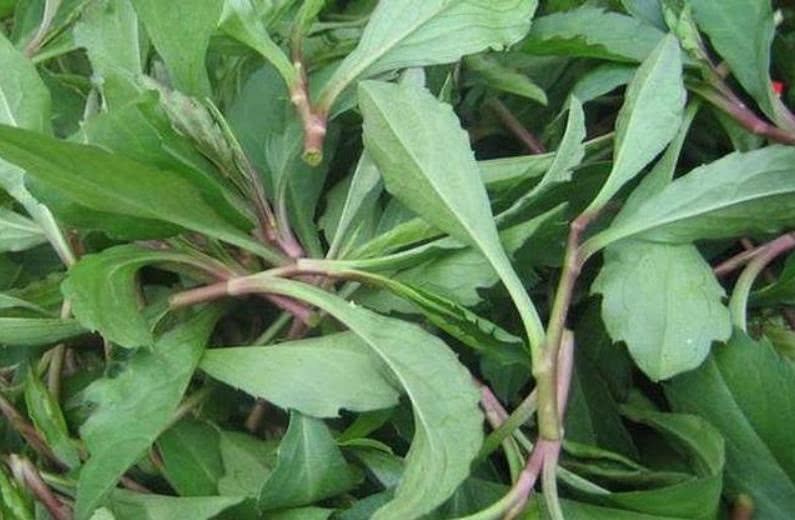
In rural areas, there are so many wild plants, especially weeds, which are everywhere. Sometimes when weeds grow too vigorously, farmers can't wait to get rid of them, not knowing that some of these weeds have very high edible and medicinal value! Today, what we want to introduce to you is one kind of all-natural "health vegetable" that farmers pull up as a weed, not realizing that it is a "treasure" from root to tip!
This wild plant is called "malantou", also known as malan or macai. In the countryside it is a very common weed, and farmers often "deal with" them. They can be seen in fields, at the edges of farmland, and beside country paths! Because it grows very fast and has strong adaptability, it often grows in patches, so farmers dislike it very much. It often encroaches on the growing space of crops, and they usually just cut it down directly with a sickle!
However, what everyone does not know is that this weed is a natural "health vegetable", a treasure from root to tip. It is rich in many nutrients and has very high edible value. Malantou is very rich in vitamins, protein, carotene, calcium, iron, potassium and 20 kinds of minerals needed by the human body. In particular, its potassium content is 20 times that of other vegetables or even higher, making it a natural high-potassium food! The tender stems and leaves of malantou contain as many as 38 kinds of mineral elements, which is extremely rare. What people need most in health products is these mineral elements, and it contains them all, showing its nutritional value!
Besides its edible value, it also has very good medicinal value. It has the effects of cooling the blood, stopping bleeding, and clearing heat and detoxifying. It mainly treats conditions such as vomiting blood and traumatic bleeding. It is recorded in ancient books that after this plant is crushed and applied to a wound, it has a very good hemostatic effect. It is a natural wound medicine, so people call it "bleeding-stopping grass"!
There are many ways to eat malantou. Not only the stems and leaves can be eaten, but the seedlings, flower buds, and flowers can all be eaten. They can be mixed, stir-fried, stewed, made into porridge, or used as filling for buns and dumplings. In particular, making this weed into pickles and dried vegetables has been used since ancient times in many places. After the leaves of malantou are dried, they can be made into tea. Drinking it in water also has a very good health-preserving effect, with a unique taste, and it is very popular in today's market!
After reading these introductions, do you feel that this "weed" is even better than most vegetables? So nature is really interesting. It clearly places such a good plant right beside humans, with such rich nutrition, comparable to health products, even more effective than most health products, yet people only treat them as weeds! I wonder if everyone has seen this malantou in their hometown? What do you call this plant in your area?
If you found this plant, would you pick it to eat? All right, that is all for today's sharing. If everyone is interested in the topic of rural plants, you can click to follow. We update rural-related topics every day, and I hope everyone will like it