Natural nutrient soil dug from the wild makes flowers and plants grow fast and thrive
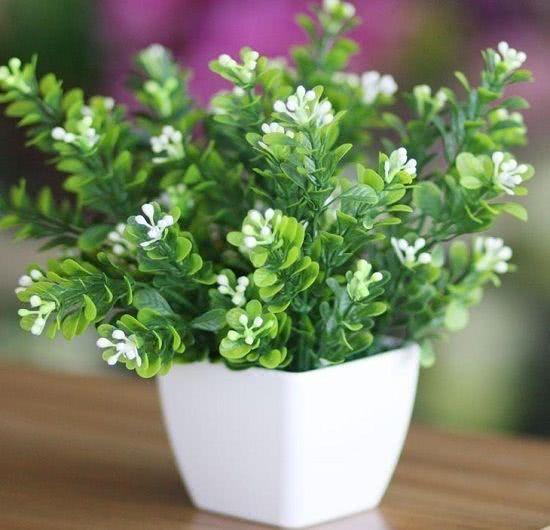
For potted flowers at home, sufficient nutrients can make them grow more vigorously, so the soil used for growing flowers is especially important. Many commercial nutrient soils on the market are not as effective as one would hope, and in many cases we can make nutrient soil at home, and the results are very good too.
1. Earthworm soil
Earthworm soil can be called the cream of the crop among nutrient soils, with complete nitrogen, phosphorus and potassium nutrition, and it is also loose and breathable. If you use earthworm soil to grow flowers, you need not worry about your flowers growing poorly. Earthworm soil is also very easy to obtain; you can find it on the lawns of residential communities, and especially after rain, it can be seen everywhere. Generally, the small mounds on the lawn, the somewhat lumpy ones, are basically it. It has no peculiar smell and is rich in nutrients, and taking it home to grow flowers works very well.
2. Fruit peel soil
The fruit peels left over from eating fruit at home can be used to make nutrient soil, such as watermelon rind, banana peel, apple peel and so on. After these peels are chopped up, they can be mixed with soil, and after one or two months of fermentation, they can be used to grow flowers.
3. Pine needle soil
Pine needle soil generally refers to pine needles that have naturally fallen and mixed with the soil on the ground. After a long period of natural fermentation, it takes on a dark brown color. At this point, pine needle soil contains relatively more humus, is light in texture, and has very good permeability. It contains a large amount of organic matter and is weakly acidic, so it is very suitable for acid-loving flowers, such as jasmine, gardenia, Aglaia odorata and camellia.
4. Mixed grain soil
The millet, soybeans, corn and so on at home are all prone to attracting insects or spoiling and becoming moldy. Do not throw away expired grains; using them to make nutrient soil works very well. When making it, first cook the grains, which can remove the germs and insects in them, then put them into the soil, bury them with soil, spray a little water, cover with a layer of plastic wrap, and then put them in the sun to bake. Generally, after one or two months they can be fully decomposed.
5. Leaf mold soil
In late autumn, a thick layer of fallen leaves accumulates under the trees in the wild. After natural decomposition, the fallen leaves become nutrient-rich leaf mold soil. We can dig deep down under the trees, and in this way we can dig up naturally decomposed leaf mold soil. Of course, you can also make it yourself: after collecting the fallen leaves, put them into a flower pot layer by layer with soil, then sprinkle some water, and then you can just wait for the fermentation to finish.