Asparagus fern grows little black beans, a neighbor tossed them into a pot and in 1 month they grew into a little bamboo grove
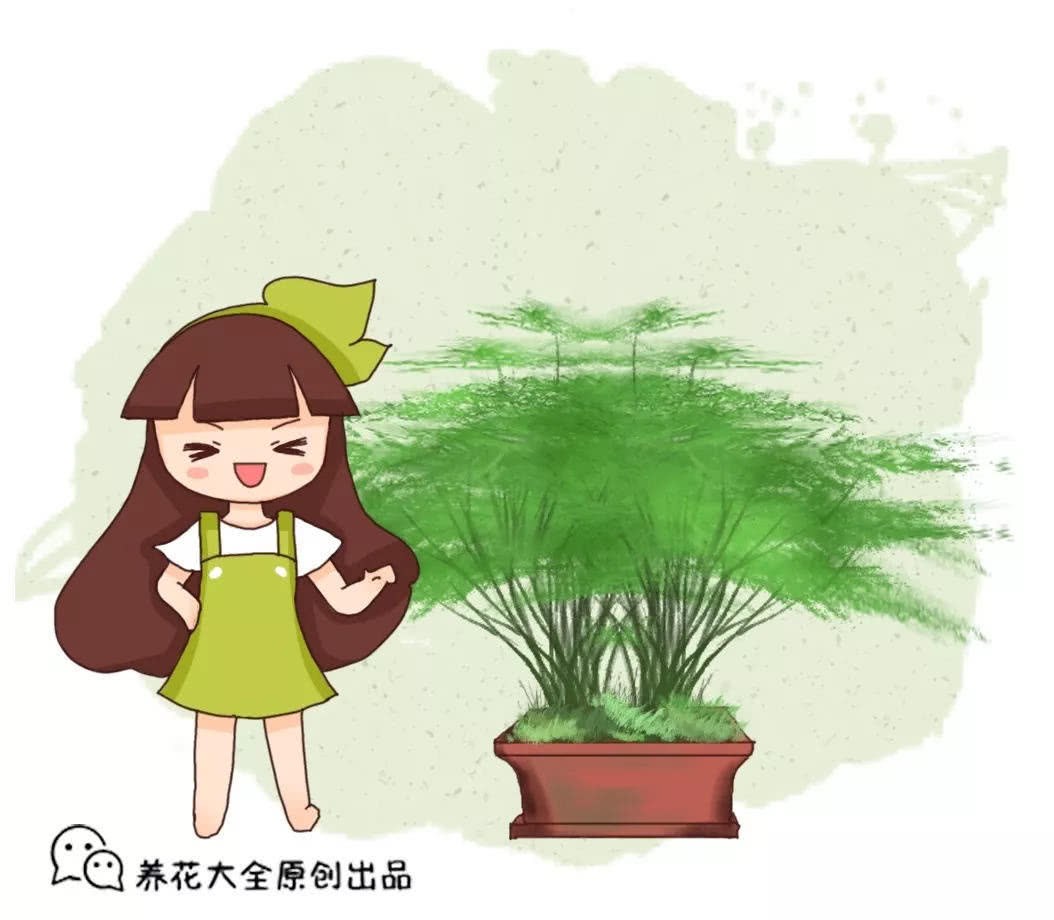
Su Shi once wrote, "I would rather eat no meat than live without bamboo." For those of us who grow flowers, although we cannot plant a tall bamboo grove at home, keeping a pot of asparagus fern is still quite possible. And when it comes to how to propagate asparagus fern, most people use division, but did you know asparagus fern can also be grown from seed? Come and take a look with Huahua!
Harvesting seeds
Many flower lovers who keep asparagus fern at home constantly prune it, focusing on the plant's shape, while some flower lovers take a laid-back approach, building trellises and supports for it and letting it grow freely. And wouldn't you know it, the asparagus fern at this flower lover's home below has bloomed.
Once the asparagus fern has flowered, we just sit back and wait to harvest. The fruits it first sets are all green, and we have to wait until their skin turns blackish-purple and they reach a ripe state before we can pick them.
We put the picked fruits in water and rub them clean, washing off the outer skin of the fruit and leaving only the black seeds inside, then dry off the moisture.
Huahua reminds you: the picked seeds should be sown as soon as possible. If they cannot be sown in time, they should be stored in sand to prevent the seeds from losing their ability to germinate!
How do you sow asparagus fern seeds?
1. Once the seeds are prepared, next we need to prepare the growing medium; just choose a relatively loose soil, such as nutrient soil, leaf mold, or coir.
2. Scatter the prepared seeds directly on the surface of the soil, cover with a 2~3cm layer of soil, then water thoroughly, and cover the pot with plastic film.
3. Generally after about 20 days, small sprouts will emerge one after another. During this period, when we see the soil surface has dried, we can water.
4. Once the needle-like leaves of the seedlings have spread out, we can transplant them! At this point we can put a layer of clay pebbles or small stones at the bottom of the pot to prevent waterlogging. Generally, plant one per pot.
How do you care for asparagus fern?
1. Watering
When watering, we can observe the potting soil; generally do not water if it is not dry, and when the surface has dried, water thoroughly in one go. Do not let water stains remain on the surface of the potting soil. In winter when temperatures are low, water less, and in summer when temperatures are high, mist appropriately.
2. Light
Although asparagus fern is suited to being grown in shade, note that growing in shade does not mean it does not need light. Normally we should best ensure more than 4 hours of scattered light each day. In summer, take care to shade it appropriately, and in winter it can be placed in full sunlight.
Appropriate light can make the asparagus fern's stems and branches sturdy. Note that whether you give it light or shade, it is a slow process of adaptation; do not switch too drastically all at once.
3. Temperature
Flower lovers growing it indoors must pay attention to ventilation. Summer temperatures are high, so you can create a cool environment for it. In winter, it can safely overwinter as long as the temperature is above 5°C.
4. Fertilizing
Every year in spring and autumn, you can appropriately apply diluted nitrogen and phosphorus fertilizer (cake fertilizer, bone meal), or water with some rice-washing water.
5. Pruning
If the main purpose is ornamental and you want a bonsai of moderate height, in the early growth stage of the asparagus fern we can pinch off the tops, it is recommended to keep it around 30cm, and later gradually build up the height, pruning stems and stalks that are out of proportion.
Ensure the density is moderate. If stems and stalks are bent, we should use tools to help make them straight. Cut off overlapping branches at the top layer. There is no need to simply pursue dwarfing; with moderate height, the elegance of bamboo comes into its own.
That is all about sowing and caring for asparagus fern,
that Huahua has to introduce.
Are you flower lovers tempted yet?
Go collect seeds and get started!
?