How do you care for a spider plant to make its leaves lush green and wide?
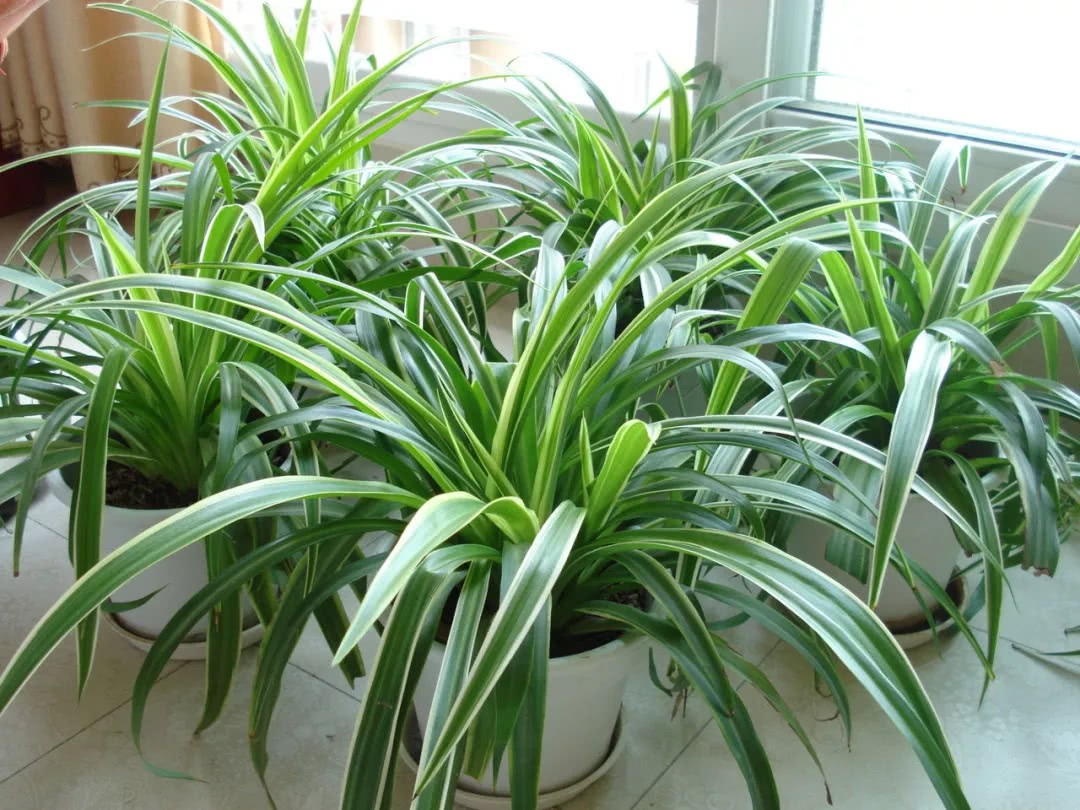
Spider plants are elegant and graceful, and almost everyone who loves growing flowers will choose a spider plant to keep. Although spider plants are not hard to grow, why is it that even though you care for them the same way, other people's spider plants have bright, wide leaves, while your own grows thinner and thinner and looks listless?
No need to worry, in one minute we will teach you the correct water and fertilizer management, so your spider plant can also be as beautiful as silk.
Soil selection
For caring for spider plants, it is suitable to choose loose, breathable soil. Before planting, it is best to add a layer of breathable substrate at the bottom of the pot, such as coarse sand, charcoal, pine needles, ceramsite, etc., or simply choose pine-branch soil, so that the potting soil will have good drainage and make it easy for the spider plant's roots and stems to breathe and grow.
Environment selection
Spider plants like a semi-shady environment. Although the light intensity weakens in autumn, full-day light is still not suitable; diffused light is preferable. For example, the variegated spider plant can only grow well and have more beautiful leaves in places with weak light.
In winter, spider plants can receive full sun, which promotes leaf photosynthesis and keeps the leaves lush green and glossy.
Repotting selection
This time of year is just right for repotting spider plants, because the root system of spider plants grows very fast, so according to their growth, they should be repotted about every two years.
When repotting, remove diseased and rotten roots, and also prune tangled roots to a certain extent, so that all the roots can absorb nutrients and grow normally.
Watering selection
For watering during growth, it is best to keep the potting soil consistently moist. Also spray water on the leaves regularly, first to wash off dust on the leaves, and second to keep the leaves moist and prevent them from drying out. During the slow-growth period, reduce watering and keep the potting soil slightly dry, otherwise the leaves will turn yellow.
Fertilizer selection
If you want spider plants to grow bigger and bigger, fertilizer and water are essential. Nitrogen fertilizer can help leaves and branches stretch and grow, and potassium fertilizer can make the spider plant stronger and encourage it to sprout more stems and leaves. Fertilizing should follow the principle of "light fertilizer applied frequently," especially during the growing season.
This period is also the best time for propagating spider plants by division. We can take the clustered stems and leaves of the spider plant and directly insert them into the pot for care. When inserting, be careful not to bury them too deep, otherwise it will cause the heart to rot. Flower lovers who want to grow a few more pots of spider plants can hurry and insert them now.
If you also like growing flowers, then follow us!