6 kinds of flowers you must be willing to "cut like chives"; cut one round and new shoots sprout in 3 weeks, the more vigorous they grow, the denser they get
With the development of society, people's living standards have gradually improved, and many people's awareness of health is also gradually rising. Especially in cities, many people keep some green potted plants at home to purify the air and beautify the environment. But in the process of growing flowers, you will always run into situations where the flowers rot or the leaves turn yellow.
When many people encounter these situations, they are at a loss and don't know where to start, and in the end the flowers die and the pots get thrown away. In fact, in many cases, growing flowers is like being a person: you also have to learn to be willing to let go. For example, when many flowers show yellow leaves, you should prune them in time, and after pruning, treat the root cause, reasonably adjust the growing conditions, and the plant can grow healthily, and may even grow more densely. So today I want to share 6 common plants: when the plant grows unhealthy or has yellow leaves, you should prune it in time so the plant can grow new shoots and new leaves. Today's topic is:
When growing flowers you must be willing to let go; 6 kinds of flowers need to be "cut like chives"; cut one round and new shoots sprout in 3 weeks, the more vigorous and the denser they get
1. Spider plant
Spider plant is a very common household potted plant. Although many flower lovers' first impression of it is that it is easy to grow and nice to look at, in the process of growing spider plants at home, insufficient light and improper watering can also cause the leaves to turn yellow. If the yellowing is severe, you need to cut off all the leaves of the spider plant directly, using a blade to cut everything off right above the soil surface, so the spider plant re-sprouts and grows leaves again. Put the pruned spider plant pot in a place indoors with scattered light, control watering, and just keep the soil moist. Generally in about seven days the spider plant will grow fresh green leaves.
2. Clivia
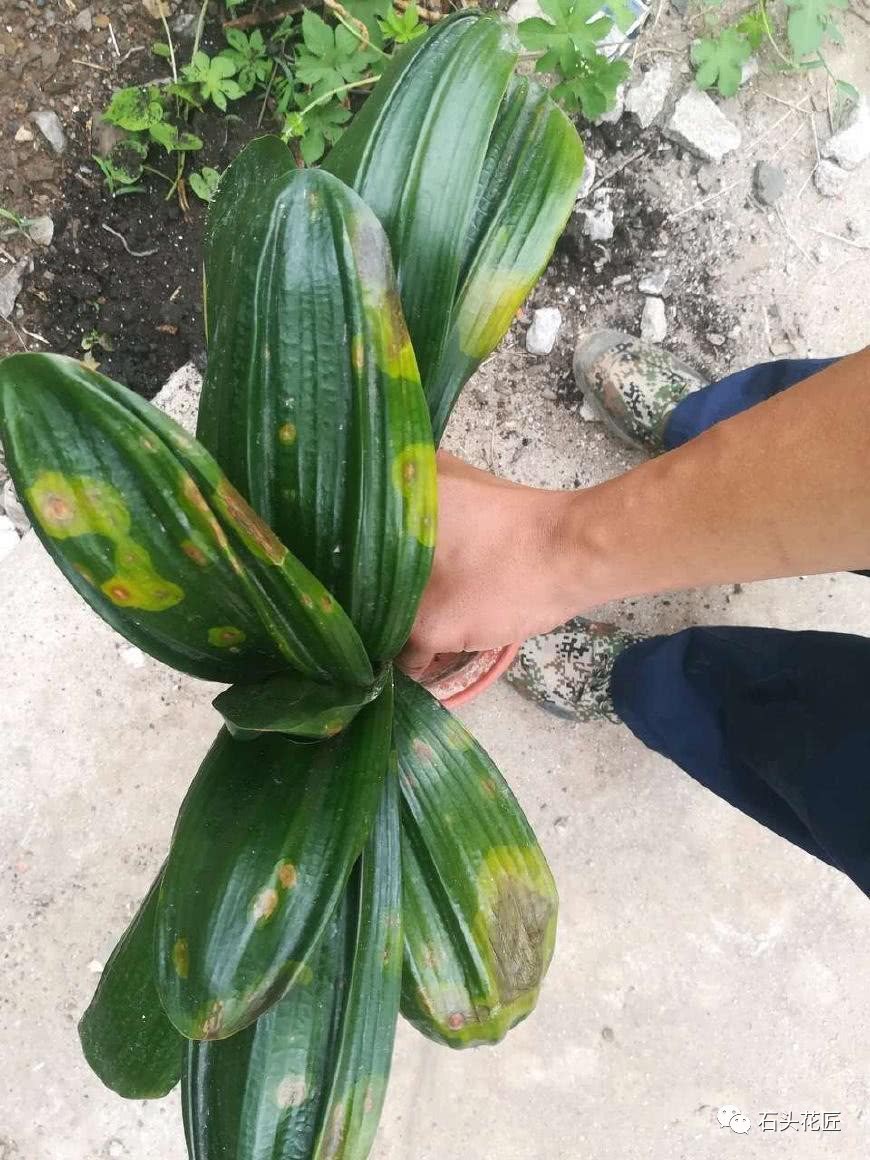
Clivia is a very popular household flower. Not only are its leaves green and sturdy, it can also bloom beautiful flowers in autumn and winter. But in many cases, due to improper care, Clivia is prone to stem rot and yellowing leaves; if the situation is severe, you can choose to cut off the entire stem of the Clivia, leaving only the roots. Put the pruned Clivia pot in a cool place for care, and in about 10 days many small Clivia seedlings will sprout from the roots. Whether you later divide and plant them or grow them in one pot, it is a very good choice.
3. Money tree
Keeping a money tree at home carries a very good meaning, with the saying that it brings in wealth and treasure. So many people like to keep a healthy, thick money tree in their living room. But friends who have grown money trees know that money trees easily get yellow leaves in winter. Once there are too many yellow leaves, you can choose to prune off all the thin branches and leaves, and move the pot to a place indoors with a suitable temperature, scattered light, and good ventilation. Through pruning and improving the plant's growing environment, let the money tree re-sprout and grow leaves. Generally about 10 days after pruning, the money tree branches will push out new shoots, and later they grow denser and denser.
4. Kalanchoe
Kalanchoe is a household potted plant with a very long flowering period. It generally blooms from winter each year and keeps blooming until the summer of the following year. After the kalanchoe's flowering period ends, you can prune off all the branches and leaves, which can relieve the fatigue of the kalanchoe's root system. Moreover, during the kalanchoe's growth process, only newly grown branches can produce flowers, so after pruning the old branches and old leaves, let the kalanchoe grow new branches, and only then can it bloom more flowers in winter.
5. Pennywort
Keeping pennywort indoors has the effect of bringing in wealth, but pennywort is a plant that goes wild as soon as it meets water. If during the growing process there is sufficient fertilizer and sufficient light, pennywort will grow rapidly, the plant will grow very tall, and later it is prone to lodging, which affects its ornamental value. So once pennywort grows too tall, you need to prune it in time, cutting the whole plant down to the height of the edge of the pot so it re-sprouts and grows leaves. This can effectively dwarf the pennywort and increase the plant's ornamental value.
6. Pothos
Pothos is the most common household flower, but during the growing process it is still prone to yellow leaves and dry, rotting branches. So for growing pothos at home, under normal circumstances, you also need to comb through and prune it. You can prune off all the branches above the soil surface of the pothos, then bury another layer of nutrient soil on top of the pot. This not only adds fertilizer to the plant, but also lets it regrow fresh green, dense branches and leaves. The pothos branches you cut off can also be re-cuttings for pots, killing two birds with one stone.
The six common flowers shared above can be pruned and combed through regularly to make the plants grow denser and greener. So growing flowers is like being a person: you have to learn to be willing to let go, and only then can you live happily.
If you find it useful, please like it below, follow, and forward it to more friends.
I am [Stone Flower Gardener], sharing little flower-growing tips every day, remember to follow.