Struggling with succulents during seasonal changes? Master these few tips and the transition will be easy
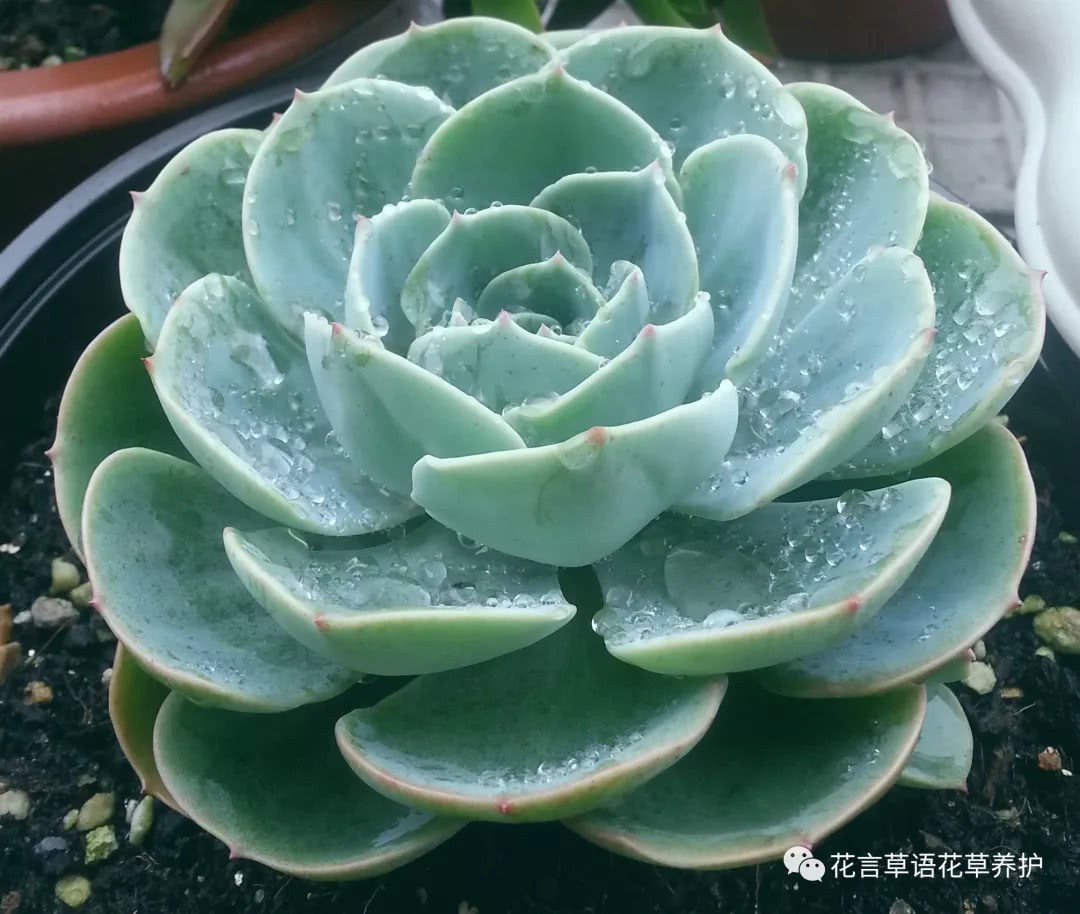
Many people think succulents are easy to grow, and that a single leaf can root and survive. Of course, this is true, but it is also a misconception many people have. Although succulents are easy to grow, if care is not up to standard, especially during seasonal changes, they are even more likely to die.
So how should succulents be cared for during seasonal changes? Follow the Plant Research Institute and learn together.
Watering
Temperatures in various regions have gradually dropped, and autumn has arrived along with it. The summer watering rules should also slowly change as autumn comes, so as to keep succulents in good condition.
When the temperature has stabilized below 30°C, you should appropriately increase the watering frequency. If in summer you watered once every 20 days, then shorten the watering cycle now and change it to watering once every 15 days. The actual situation can be adjusted according to local temperature changes.
Light
In summer, most succulents are in a dormant period, so they cannot be directly exposed to the sun. Usually a layer of shade netting is put up to protect succulents from sunburn. When autumn arrives, the shade netting should be removed and the succulents allowed to bathe fully in the sun.
As autumn deepens, the temperature difference between day and night becomes more and more obvious. For succulents, this is the perfect time for transformation. At this point, do not be afraid that the succulents will get sunburned, just place them directly in the sun from morning to night, and before long, the succulents will undergo a perfect transformation.
Repotting
Autumn is the growing season for succulents, so succulent lovers should repot their succulents in time. After an entire summer, the nutrients in the soil have long been used up. In order to let succulents undergo a big transformation in autumn, nutrition must keep up.
If the medium is too poor, it causes the roots to dry out and rot
Repotting is the best solution. In this way, not only can succulents be provided with more growing space, but the new medium can also give them a boost, making the succulents even more beautiful.
So can repotting be done at any time? Absolutely wrong!
Before repotting, the roots must first be trimmed, which helps the plant survive
After trimming the roots, they can be planted
Repotting also depends on the right timing and conditions, because after succulents undergo repotting, they will have a root-establishing period. If the temperature fluctuates greatly, it is not good for succulents to establish roots. When the temperature stabilizes at around 24°C, you can consider repotting your succulents.
After repotting, succulents cannot be placed directly in the sun; they should be placed in a cool, shaded place. After they have recovered, take them out to bask in the sun.
How do you tell whether a succulent has successfully established itself after repotting?
1. Check whether the leaves have become plump.
2. Gently shake the succulent to see whether it has taken root. If it does not move much, it means it has completely established itself after repotting.