Growing pothos in autumn: pour one bottle of this every two months, and the leaves stay lush green with new vines sprouting nonstop
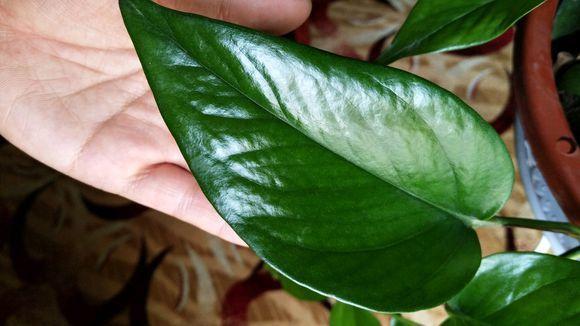
Pothos is one of the more common foliage plants in the home. Whether it is kept in the living room or the bedroom, it brings a touch of vitality and energy. Its lush green leaves stay evergreen through all four seasons, so its ornamental value can be said to be very high. Most flower growers keep pothos for another reason too: it is easy to grow and easy to manage. In fact, pothos really is the best of all foliage plants. It lives as soon as it touches water; root a single small vine as a cutting and within a month it can multiply into a whole pot. Of course, caring for pothos also has its tricks. Some flower growers get a pot bursting with growth from the very same plant, and there is actually a lot of small experience behind that.
What are the growth habits of pothos?The prerequisite for growing flowers well is to clearly understand the growth habits of each kind of flower. Although pothos is very common, surely some beginner growers are still unfamiliar with its characteristics. Let us first talk about the care details for pothos. Pothos is a typical foliage pot plant. It is suited to growing in an environment of 15-25°C, with relatively high air humidity, proper light and ventilation, and no direct sunlight in daily conditions. Watering follows the principle of watering when dry and letting it dry between waterings, with frequency as the main approach. For pothos to grow vigorously, fertilizing is indispensable. Besides the base fertilizer in the soil, you also need to apply some nitrogen fertilizer every month.
This is the right way to grow pothos in autumn: pour one bottle of "it" every two months, and the leaves shine green while new leaves shoot out rapidlyAs just mentioned, when caring for pothos you must pay attention to fertilizing more. This is especially true of nitrogen fertilizer, which helps the stems and leaves of flowers grow strong. Nitrogen fertilizer for growing flowers can be divided into two types: one is chemical fertilizer, that is, inorganic fertilizer, and the other is organic fertilizer. For experienced flower growers, organic fertilizer is the one they are most willing to use, because pothos absorbs organic fertilizer quickly and its nutrients are plentiful. In everyday life, organic nitrogen fertilizer is actually very easy to make. Ordinary soybeans, after processing, become genuine organic nitrogen fertilizer. How do you make it? First boil the soybeans, then put them into a mineral water bottle, fill it with water, seal it well, and place it in the sun. Generally, after two weeks it is ready to use.
Quite a few flower growers question whether this soybean water smells bad after fermentation. There is no need to worry about this. After fermentation it has a sour smell, and when you use it, you only need to dilute it. Of course, adding one or two orange peels can also remove the smell. Then again, the nutrients and value of soybean water far exceed all kinds of special flower fertilizers on the market. After this liquid fertilizer is poured into the pothos pot, it can not only promote absorption but also regulate the pH of the potting soil. Pothos likes loose, fertile, slightly acidic soil, and soybean water after fermentation is slightly acidic. So using it to grow flowers could not be more suitable!
Now we have already entered autumn, and this is precisely the peak growing season for all kinds of flowers and plants. If pothos is to grow like crazy and safely make it through winter, it depends on this one push in autumn. If you care for it well in autumn, the leaves will be lush green and new leaves and new vines will shoot out rapidly, so next year the pothos will also grow more and more vigorously. So when growing pothos at this time, you must not be careless!
That is all for sharing knowledge about pothos. Thank you for reading!
Remember to like and share~