When growing flowers, repotting is the most dreaded task; use a few kinds of residue to improve the soil and save yourself the trouble
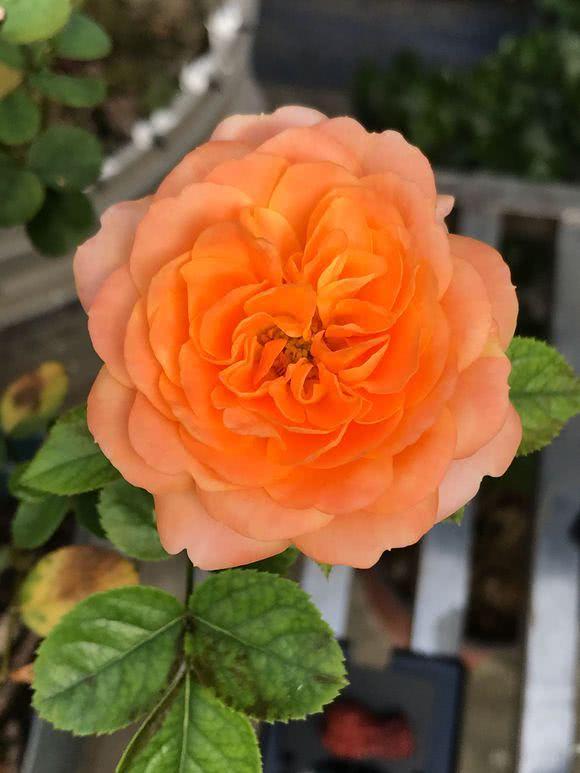
Like many flower lovers, Momo dreads repotting more than anything. Every time she does it, the house ends up in a terrible mess, and it takes quite a bit of time. If not done properly, it can even damage the plant. Of course, if done well, the plant will grow more healthily and bloom more.
The risk of repotting lies in the fact that the flower's roots have to adapt to new potting soil, and the roots can also be damaged during the process. Once the plant fails to recover after repotting, the roots are prone to problems. So what is the best way to handle this?
If you don't want to repot but still want to improve the potting soil, besides loosening the soil thoroughly with a shovel, you can also do this: use these 3 kinds of waste residue to improve the soil environment. Let's take a look at exactly how to do it below.
Sprinkle some tea residue, and nutrients flow in continuously
Flower lovers who enjoy drinking tea normally should never throw away the tea residue. Using this residue to grow flowers works wonderfully, because the antioxidants contained in tea can promote the plant's metabolism and growth. At the same time, once fermented it is also a very good organic fertilizer, which can supplement nutrients while boosting the plant's immunity and resistance to disease and pest attack.
Tea is good, but it must be used properly
There are 2 ways to use tea, just be careful not to use it directly. One is to steep it in water and water the plants with it directly. The other is to bury some tea residue along the edge of the flower pot; just bury a ring of it around the pot. As a plant material, tea makes a very good organic fertilizer after fermentation and can produce large amounts of nitrogen, phosphorus and potassium. However, the best method is to put the tea residue in a container and water the flowers only after it has fully fermented. This saves the trouble of cleaning up the tea residue, because the fermentation process of tea also produces bacteria.
Waste oil residue is greasy, yet has amazing effects on flowers ⟧11⟧In today's households, everyone has a range hood, and cleaning up this waste oil is quite a hassle, but it contains large amounts of nitrogen, which can make plants grow well. However, it must go through a process of fermentation and decomposition, otherwise the plants simply cannot absorb such nutrients.
Nowadays every household has a range hood installed, and cleaning up this waste oil is quite a hassle, but it contains a large amount of nitrogen, which can help plants grow well. However, it must go through a process of fermentation and decomposition, otherwise the plants simply cannot absorb nutrients in this form.
Using waste oil works quite well
First pour the waste oil out of the range hood's oil collection box, then put it in a large mineral water bottle, add 1 part clean water to mix, then put the lid on and let the water and oil ferment continuously. After about 3 months, you can take out the fermented waste oil liquid, then dilute it with about 10 times the amount of water to water the flowers, which is quite suitable, and watering about once every 10 days or so is best.
Bone residue strengthens plants and boosts resistance
We often like to make soup, because bones contain relatively large amounts of calcium, trace elements and so on, and after fermenting they also contain relatively large amounts of nitrogen, phosphorus and potassium fertilizer. At this point they can be used to grow flowers, promoting plant growth and flowering.
Bone nutrients are high, but only what can be absorbed is truly good
To let the flowers better absorb the nutrients in the bones, we usually need to boil the bones once in boiling water, filter out the various seasonings, then stew the bones in a pressure cooker for a few hours, then put them into a sealed container and leave them in the sun to bake, which can improve fermentation efficiency. It is best to ferment for a longer time, about 3-4 months is better, to ensure that the bone nutrients can all dissolve into the water, making it easier for the plants to absorb.
For fully fermented fertilizer, just use it on the flowers 2 times a month, and it is best to dilute it with about 10-20 times the amount of water. If you are a flower lover who doesn't like liquid fertilizer, you can also bury the processed bones in the soil to ferment for about half a year, and it will become very good organic nutrient soil. When planting flowers, use it directly for potting, or put some on top of old potting soil to add nutrients.
If you have plenty of time and enjoy DIY, why not give these methods a good try? Not only can they promote flower growth, they can also save you a lot of trouble in growing flowers.