Snake plant cuttings always fail? Try water propagation, sprouts appear in 7 days
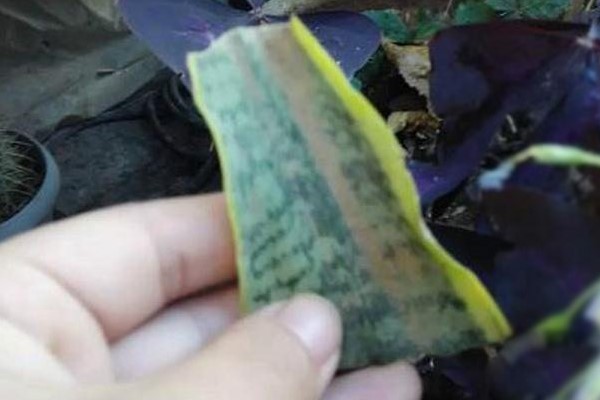
Previously, some flower lovers reported to Huahua that they had tried propagating snake plants at home several times without success, either ending up with black rot or simply no sprouting at all, which worried them terribly. At this point, Huahua would like to suggest that everyone look a bit further afield. Who says cuttings must be done in soil? Water propagation can also grow very vigorously, and it is even easier to care for. Huahua will now introduce the water propagation method for snake plants!
1. Selecting leaves
Just like the steps for soil propagation, we first need to select snake plant leaves that can be used for cuttings. Generally, the leaves chosen are those that are relatively thick and sturdy, so that after propagation they are more likely to survive. After selecting the leaves, we need to cut them into small sections of about 6 cm, then place them in a cool, shaded spot to dry until the cut edges curl slightly, which means this step is complete.
2. Putting them in water, paying attention to placement
For the water used to grow snake plants, ordinary tap water will do, but it is best to let the tap water sit in the sun first, so that the chlorine in it can be removed, and the natural growth effect will be better. Find a small bucket or flower pot without a drainage hole, pour in about 5 cm of water, then place the snake plant sections into the container in order, with the larger ones on the outside and the smaller ones on the inside.
3. Care methods after propagation
After successfully propagating the snake plant in water, move it to an indoor spot with scattered light, so that after the snake plant receives sunlight it will root faster. Once you see that the snake plant has rooted, you can move it back into soil for care. This way, propagating snake plants not only roots quickly, but they can also be grown just the same!
As long as you pay attention to daily care, the leaves of snake plants transplanted into soil will grow larger and thicker. Snake plants are relatively drought-tolerant, but during the vigorous growth period in spring, the potting soil should still be kept moist, which helps the side buds emerge. In winter, when temperatures are low and evaporation is slow, watering should be reduced as much as possible at this time to prevent root rot.
It is now autumn, so the light intensity for snake plants can be appropriately increased, and they can be placed outdoors for a few hours, which can enhance the snake plant's ability to grow under low-temperature conditions, so there is no need to worry about low-temperature frost damage in winter.
If any flower lovers want to propagate a few pots of snake plants in autumn, this is the time to try Huahua's method, which roots quickly and is relatively easy. If flower lovers have even better propagation methods, they can also leave a message to tell Huahua so we can learn together!