How to keep succulents alive? Master these few points and they will grow fatter and fatter
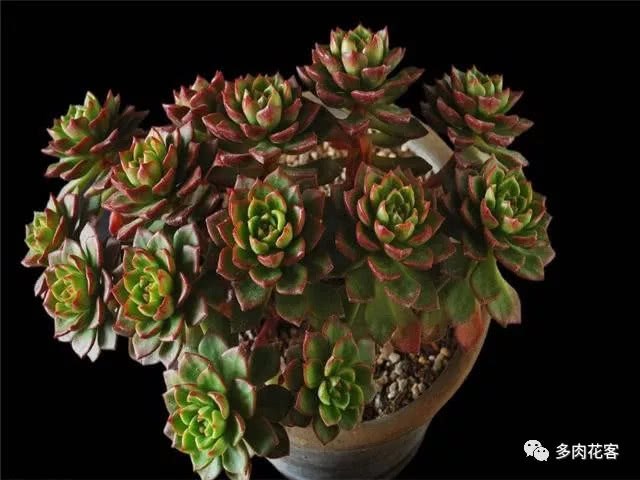
Repotting
If you want your succulents to grow well, you must repot them every year, as this allows the succulents to grow more perfectly. When repotting, you can trim the old roots, weak roots, dead roots and diseased roots of the succulents.
Before potting, both the soil and the trimmed wounds need to be disinfected. The best way to disinfect the soil is to expose it to the sun for a period of time for high-temperature sterilization, which can also provide some nutrients to the soil. This is a great help for the growth of succulents.
Propagation
Propagating succulents is actually very simple. If you want to, just twist off a small piece of a succulent leaf and stick it directly into the soil, and it will survive well. The survival rate of succulent cuttings is also very high.
But one thing must be remembered: the soil for cuttings must be spread flat, and after planting the cuttings they should be placed in a shady spot for a period of care. Generally, rooting is fairly quick. For succulents that root with difficulty, it is best to first dip them in rooting powder, as this helps them take root and develop.
Fertilizing
Succulents also need fertilizing, but you should apply light fertilizer frequently; it should not be too concentrated, nor should it be too little. When fertilizing, it is best to mainly use phosphorus and potassium fertilizer, with nitrogen fertilizer as a supplementary fertilizer for topdressing succulents. You can also make some nutrient solution with a relatively high alkali content at home to care for your succulents, as this is also a great help for the growth of the plants.
Soil Mixing
Generally, most plants grow in the wild. Apart from some water-loving succulents, sand makes up the largest proportion of the soil, followed by crushed stone and then loam. Most plants in the wild live in areas where sand and crushed stone make up more than 70% of the mix. However, the succulents we buy and bring home are almost all small seedlings that have just come out of a greenhouse.
There are also larger seedlings over a year old, but compared with those wild plants, the temperature environment in which they grow in the greenhouse simply cannot withstand being disturbed, so after you bring them home, their condition may not improve for two weeks or even a month, and this has a lot to do with the soil.
Many flower lovers probably think that succulents are basically only about having a lot of grit, so from the start they use sand and grit in a ratio of more than 80%. For small seedlings, they will basically not grow for a short time, and some will even slowly wither and die. If you have just brought them home and are changing the soil, it is best to use soft, loose soil. Plants rely on their roots to absorb nutrients.
Whether the root system grows robustly has a direct relationship with the soil of the succulents. At first glance, loose and soft soil is very good for rooting, but using 100% of it will lead to excessive water accumulation in the pot, or even only the back half [of the root system developing], and this will cause the succulents to rot. So you still need to mix the soil carefully. If you want to keep succulents alive well, you only need to master these few points, and the plants will grow fatter and fatter.