What are the TCM syndrome-differentiation treatment methods for lung cancer?
Diseases such as lung accumulation, mass and addiction, cough, hemoptysis, and chest pain encompass lung cancer. Cancer was first called "swelling" in ancient TCM, and later, according to differences in the zang-fu organs and tissues, many different names were derived, such as the aforementioned lung accumulation, etc., all of which are equivalent to what Western medicine calls "lung cancer." In treating what Western medicine calls lung cancer, such as "lung accumulation," TCM also follows the eight-principle syndrome differentiation and treatment. If it is excess, drain it; if it is deficiency, tonify it.
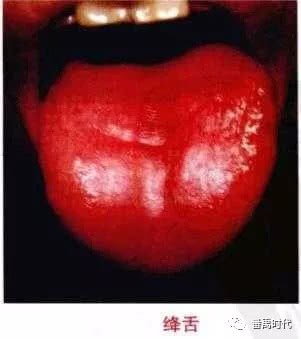
For example, if the symptoms include cough with profuse phlegm, chest tightness and poor appetite, mental fatigue and lack of strength, pale complexion, and loose stools. The tongue body is pale and enlarged, with a white greasy coating, and the pulse is soft and slow or soft and slippery, then it is the TCM syndrome of spleen deficiency with phlegm-dampness. In treatment, it is treated according to strengthening the spleen and removing dampness, warming yang and tonifying qi, and transforming phlegm and dissipating masses. If the symptoms include cough, no phlegm or little phlegm or frothy phlegm, or yellow phlegm that is difficult to cough up, blood-streaked phlegm, chest pain and shortness of breath, vexation and insomnia, dry mouth and constipation. The tongue body is red, with a peeled coating or a completely peeled coating with no coating, and the pulse is fine and rapid. Then it is dual deficiency of qi and yin, and treatment should tonify qi and nourish yin, warm yang and clear the lungs.
Accumulation, gathering, mass, addiction, xuan, zheng, and jia are all TCM names similar to Western medicine's cancers such as lung cancer. Lung accumulation, mass and addiction, etc., are phenomena of lung cancer. In TCM syndrome differentiation, lung cancer is also treated according to the eight principles such as excess patterns and deficiency patterns. For example, if the symptoms include cough, blood-streaked phlegm, shortness of breath, distention and fullness or stabbing pain in the chest and hypochondrium, and dry bound stools. The tongue body has ecchymoses and purple spots, with a thin yellow coating, and the pulse is stringy or choppy, then it is the pattern of qi stagnation and blood stasis, and treatment should warm yang, move qi, transform stasis, and dissipate masses.
If in lung accumulation, or hemoptysis, chest pain, etc., there appears high fever, rapid breathing, cough, yellow thick phlegm or bloody phlegm, chest pain and bitter taste in the mouth, thirst with desire to drink, constipation, and short dark urine. The tongue body is red, with a yellow and dry coating, and the pulse is large and rapid, then it is the syndrome of blazing heat-toxin, and treatment should clear heat and purge fire, resolve toxin and dissipate swelling; if there appears lusterless complexion, dizziness and drowsiness, mental fatigue and laziness to speak, spontaneous sweating on movement, shortness of breath, palpitations and severe palpitations, lack of appetite, and decreased white blood cells. The tongue body is pale, the tongue body is enlarged, with little coating, and the pulse is fine, then treatment should warm yang and nourish yin, and raise and promote healthy qi.