Don't Give Up on a Dying Fuchsia - With the Right Method You Can Still Save It
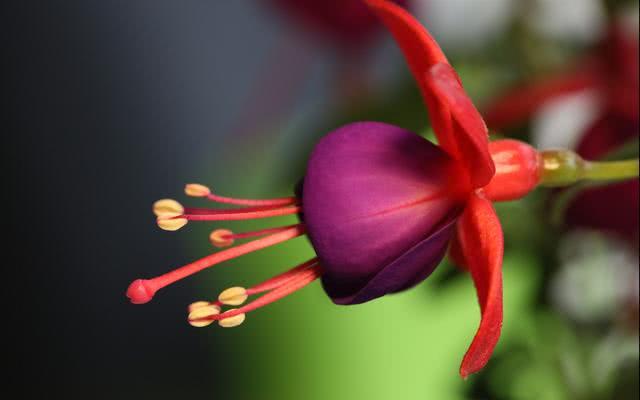
Fuchsia (Fuchsia hybrida) is a flowering plant that hangs its small blossoms downward, and it is precisely this unique trait, together with its captivating flowers, that has won the hearts of so many gardeners. In autumn, the midday sun is still very strong, which can easily cause a fuchsia to die. When that happens, quickly cut off its branches and leaves and use this method - you may still be able to save it!
After cutting off its branches and leaves, use the cutting method to bring it back to life!
The specific steps: first cut off relatively sturdy branches, keeping a length of about 10 cm, and keep about two leaves on each cutting. First prepare sandy soil, which is fairly breathable, then mix in a little peat moss, which also helps retain water. This ensures that the cutting still has some moisture in the afternoon, while also adding a bit of nutrients to promote rooting.
After cuttings are taken, fuchsias generally need to be kept in a cool, shaded place for care, and they can be kept alive in 1 month. During this period, do not keep pulling the roots of the fuchsia out, otherwise it is easy to damage its roots. After one month, wait another half a month, and once the roots are relatively sturdy, you can move it into nutrient soil. Once the roots are established, the next step is the specific care method.
1. Fertilizer and water control
Although autumn has arrived, the temperature is still fairly high right now. In some places the fuchsia has already woken from its dormant state, but in other places it is still dormant. At this time you should control the amount of watering and just keep it appropriately moist, while also keeping the leaf surface able to absorb enough water to promote the plant's metabolism. Fertilizer supplementation should also continue; it is just the beginning of autumn and the weather has not yet turned cool, so you can wait until the climate gradually cools and then gradually increase the watering frequency. We should also fertilize it from time to time, and organic fertilizer is a good choice.
2. Strong light and high temperatures should still be blocked
In early autumn, the sun is still high in the sky, and the temperature is still fairly high. If it is planted on a balcony, it is better to move it to the north side, while also keeping it in a ventilated spot, and you can also appropriately raise the humidity by misting some water.
3. Once yellow-leaf disease is spotted, prune promptly
After noticing yellow leaves on the fuchsia, you should prune it promptly, for example removing dead branches, diseased branches and so on. These all consume nutrients from within the plant, so at this time we should prune promptly to reduce its absorption of nutrients.
In fact, fuchsia is a very easy flowering plant to grow - as long as our care work is done properly, keeping it alive is a piece of cake! If you ever find that a fuchsia is close to dying, then you might as well try this method!