Keep These Plants in the Bathroom for a Healthier Life
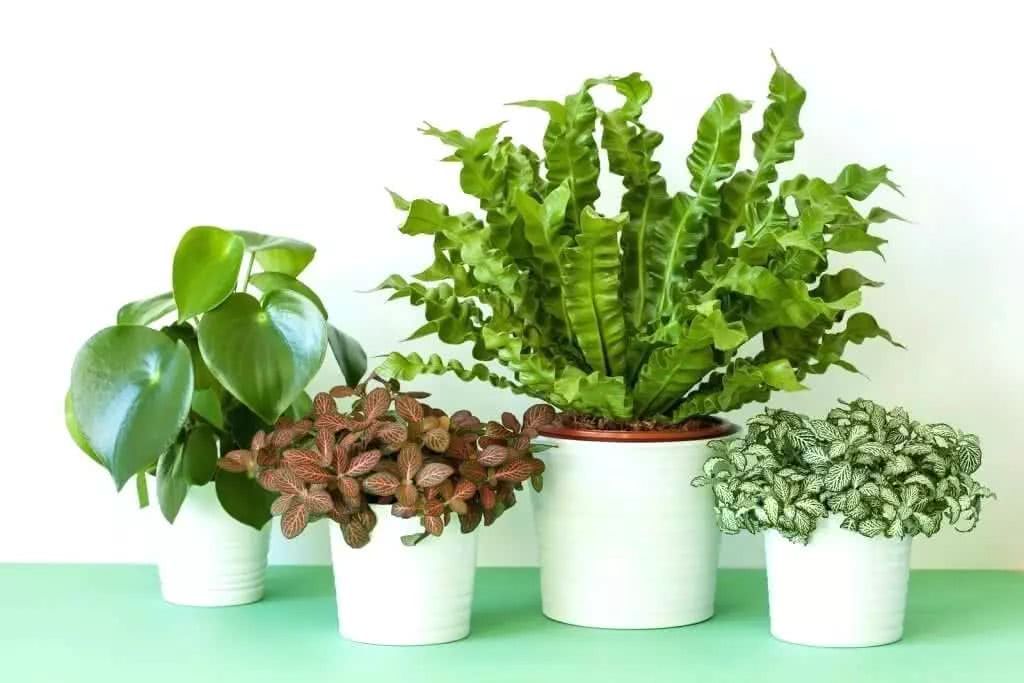
What do you need to pay attention to when growing plants in the bathroom? The most important thing is to choose plants that love high humidity and high temperatures, because the temperature in the bathroom fluctuates quite a bit, so the plants also need to be able to adapt to their environment.
Besides looking attractive, plants grown in the bathroom have many other benefits, which I will introduce to you below.
Foliage plants are very well suited to growing in the bathroom. Taking a shower every day raises the air humidity inside, which helps the plants thrive. Plants kept in the bathroom also do not need frequent watering, and they can bring a touch of green brilliance to the room.
1. Improve air quality
If you want to improve the air quality in the bathroom, you can grow plants that purify the air and absorb odors, such as the common Schefflera arboricola (dwarf umbrella tree), Sansevieria trifasciata (snake plant), Hedera helix (English ivy) and Spathiphyllum (peace lily), all of which are very well suited to growing in the bathroom.
If you are prone to plant allergies, you can grow Adiantum (maidenhair fern) or Boston fern in the bathroom; they also help to ease respiratory problems.
2. Increase energy
Placing some plants in the bathroom makes the whole space more vibrant. Seeing fresh, beautiful plants will make you feel full of energy all day long.
3. Improve physical and mental health
Besides improving air quality and making the space more vibrant, a life of growing plants can do a great job of relieving psychological stress, making you feel happier, and can also appropriately improve your quality of life.
4. Choose suitable plants
You can place air-purifying green plants that love high humidity indoors, such as the common Platycerium (staghorn fern), Asplenium nidus (bird's nest fern) and Silver Ribbon Fern.
Besides growing plants in soil in the bathroom, you can also choose plants suited to growing in water, such as the common Dracaena sanderiana (lucky bamboo) and Chlorophytum comosum (spider plant).
When caring for indoor plants, besides maintaining suitable air humidity, you should also keep an appropriately ventilated environment and avoid making the space too sealed off. You can open the windows often to keep the air moving, and also pay attention to keeping suitable light levels.
If the light indoors is especially dim, you should grow shade-tolerant plants, such as the common Episcia (flame violet), Epipremnum aureum (pothos), Zamioculcas zamiifolia (ZZ plant) and Peperomia caperata (ripple peperomia).