Feed your plants a little vinegar: strong roots and glossy green leaves, works for any flower
Growing flowers is easy enough when things go well, and very hard when they don't. When your plants are thriving, you feel a great sense of achievement, but the moment problems appear, you get the urge to give up. If the flowers at your home aren't growing well, Yatou has a trick for you that's guaranteed to work. That said, if your plants have caught a disease, spraying medicine is the first choice, and Yatou's little method won't be of much help!
Vinegar
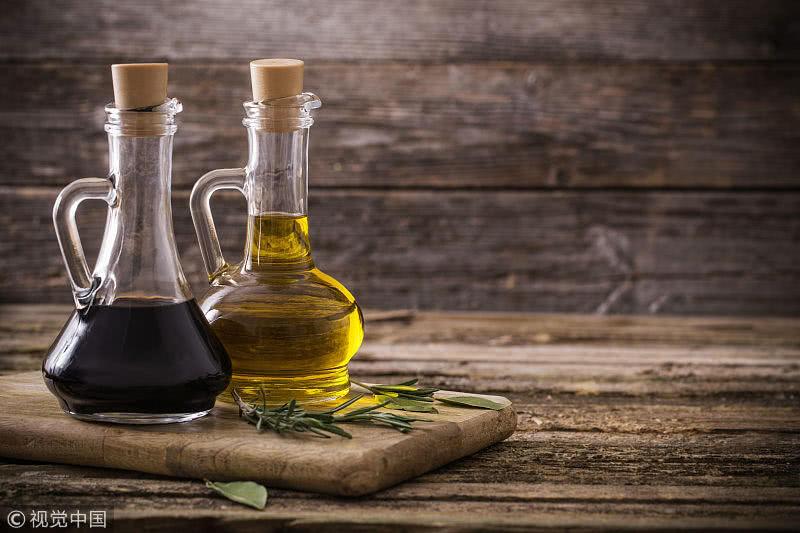
Most edible vinegar is made by fermenting or pressing crops, and it contains a great many nutrients. Not only is it good for the human body, it also benefits the growth of flowers! What's more, a moderate amount of edible vinegar is very helpful for improving the pH of the soil, so giving your flowers a taste now and then is quite a good idea.
How to use it
Edible vinegar cannot be used directly! Be honest with yourself for a moment: would you gulp down vinegar straight? It's far too sour, so for plants it needs to be diluted before use. Mix it at a ratio of 1:50, which is roughly one spoonful of vinegar mixed into a 500ml bottle of water. For flowers that like acidic soil, such as pothos, snake plant, jasmine and Christmas cactus, you can use a little, but don't do it too often - once every half month, poured directly onto the soil is fine.
Wiping the leaves
People used to say that wiping leaves with beer makes them shinier and shinier! Edible vinegar is just the same! That's because edible vinegar contains a large amount of elements with antioxidant properties, and it also evaporates very easily, so after wiping the leaves, some of the nutrients get absorbed while the rest evaporates away and won't remain on the leaves. After applying it, yellowing leaves will also improve somewhat, and it enhances photosynthesis, making the leaves even more glossy and helping them accumulate more nutrients.