Don't Hard-Scrape or Water When Your Flower Pot Soil Is Compacted - Add This to Make It Loose and Airy
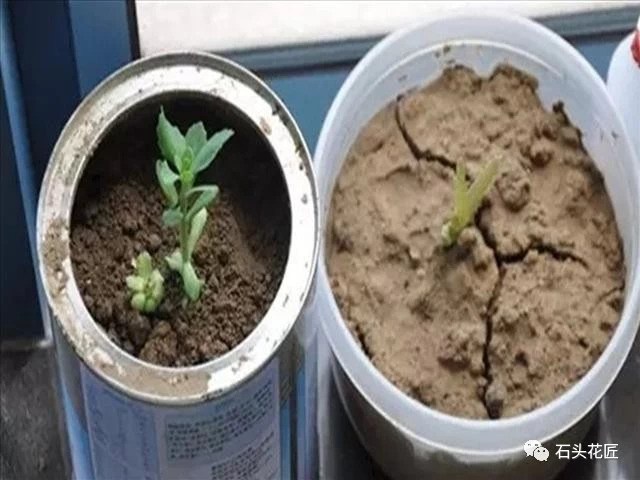
More and more people love growing flowers, and many of them keep some plants and greenery at home. But many flower growers say that in the process of growing flowers, they have run into the problem of compacted soil in their pots, and some even say that the soil in their pots has turned into one big hard clod, and the plants in the pots grow pale yellow and weak. So when you run into compacted soil, what should you actually do? Scrape it with a shovel? Dig it up? Or should you water it heavily? Actually, none of these are right!
Generally speaking, once the soil in a flower pot becomes compacted, the most direct method is to change the soil. Only by replacing it with loose, airy soil can the plant take root and grow in a new environment and absorb nutrients. But there is also know-how in the process of repotting and changing soil: adding a kind of growing medium to the soil can effectively prevent the soil from compacting later on.
Analysis of the causes of soil compaction:
Many flower growers say that the soil they use for growing flowers becomes compacted without them realizing it. In fact, there are two main reasons why soil becomes compacted:
1. Incorrect watering methods: When watering flowers, it is easy to give them only a half watering; that is, when watering the pot, the water does not soak all the way through, and no water flows out from the bottom of the pot. Each time you water, only the surface of the soil gets wet, while the soil in the middle becomes drier and drier, so it compacts into large hard clods.
2. Long-term use of inorganic chemical fertilizers: In the process of growing flowers, fertilizing is essential, but long-term use of inorganic flower fertilizers easily causes soil compaction, so it is best to use organically fermented fertilizer, which is not only rich in nutrients but also keeps the soil loose and airy.
3. Using pure garden soil for growing flowers: If you use pure garden soil for growing flowers, combined with improper watering and fertilizing, the soil will definitely become compacted; so when choosing soil for growing flowers, it is best to choose a mixed soil that is loose and airy and not prone to compaction.
Flower soil clumped into blocks? Don't "hard-scrape" and don't "water":
After the soil becomes compacted, the first thing to do is stop watering, because no matter how much water you add, the water will not fully soak into the soil, and instead it will make the compaction worse and worse. Also, don't just keep loosening the soil with a shovel; loosening compacted soil easily damages the plant's root system. The most direct method is to change the soil. Use a flower shovel to dig along the edge of the pot for one full circle to loosen the soil, then lift the pot and tap the pot wall so the clod separates from the pot, and tip this clod out of the pot.
Use a shovel to pry open the clod, separate the flower's root system from the soil, then trim the roots and cut off all the rotten roots and dead roots. Prepare a 0.2% potassium permanganate aqueous solution, and soak the trimmed plant roots in the solution for about 15 minutes to sterilize and disinfect!
Prepare the soil and pot it up
If you want to avoid soil compaction while growing flowers, you need to choose a mixed soil suitable for plant growth. Use garden soil, sand and humus soil mixed in a 1:1:2 ratio; this kind of soil is loose and airy and not prone to compaction. But adding one more growing medium to the mixed soil can effectively prevent soil compaction.
This growing medium is pine cone humus fermented from pine cones. The humus obtained by fermenting mature pine cones not only has large particles, but the pine resin and pine oil contained in the pine cones remain in the soil, which has a sterilizing and disinfecting effect, and it is also rich in nutrients. It not only prevents soil compaction but also provides nutrients for plant growth.
In the ordinary process of growing flowers, you should not only choose a loose, airy mixed soil, but also water thoroughly when watering to avoid giving only a half watering. For fertilizing, it is best to choose fully fermented organic fertilizer. This can effectively prevent soil compaction.