After the autumn chill, water Christmas cactus and kalanchoe with root-nourishing water; they sprout steel-like leaves and bloom 30 days earlier
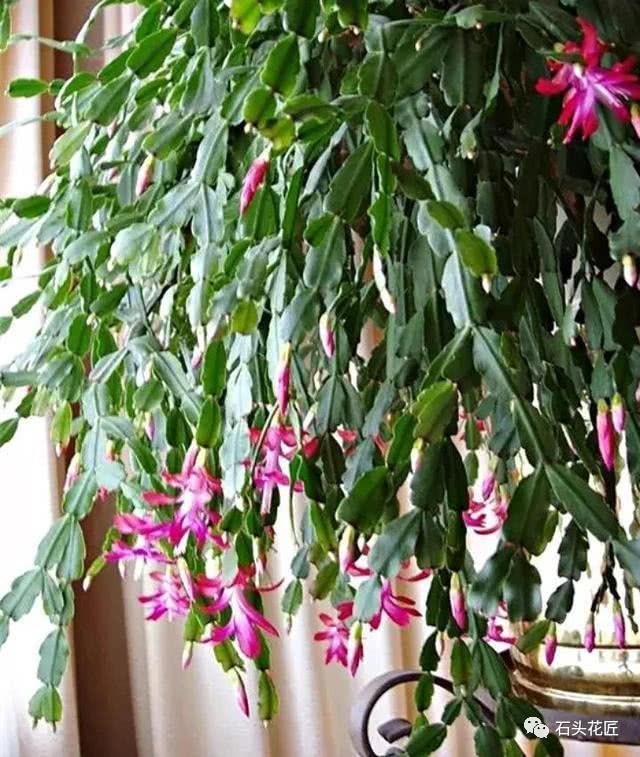
As September arrives, the weather gradually turns cooler, and outdoor temperatures are suitable, which is good for the growth of many flowers. In this season, many potted plants can be placed outdoors to grow, which not only allows the plants to grow in a ventilated environment, but also increases light exposure.
Of course, autumn is also the season for fertilizing many flowers. As the saying goes, growing flowers means growing roots, and the root system is crucial for potted flowers. So after autumn begins, if you want plants to grow robustly and vigorously, nourishing the roots and fertilizing is essential. Especially for some plants that bloom in winter, in autumn you not only need to nourish their roots and fertilize them, but also take care of other aspects of maintenance properly. Potted plants that bloom in winter, such as clivia, Christmas cactus, and kalanchoe, need careful care in autumn so they can produce beautiful flowers in winter.
Some flower growers have also reported that the Christmas cactus and kalanchoe they grew this year are not vigorous, with drooping leaves. They worry that they will not bloom at all this year! So today's topic is:
When autumn turns cool, water Christmas cactus and kalanchoe with "root-nourishing water"; they sprout steel-like leaves and bloom 30 days earlier
Fertilizing flowers in autumn is partly to supplement the plant with nutrients, and partly to make the plant's root system grow more robust, so that it can grow tenaciously in winter. You can use a kind of root-nourishing water to make the plant's root system grow strong.
The principle of using willow branch water solution as root-nourishing water
Willow trees are very common in our lives. Scientific verification has shown that willow branches contain a large amount of salicylic acid, and salicylic acid is a plant hormone that can accelerate plant root growth and also has a bactericidal and disinfecting effect. So this free root-nourishing water can be poured into the pots of Christmas cactus and kalanchoe in autumn.
How to make the willow branch water solution
The salicylic acid in willow trees is generally in the branches, so after cutting willow branches and bringing them back, remove the leaves, cut each branch into 3-5 cm small sections, then use a blade to slit the willow bark open, and soak them in clean water for one day. This allows the salicylic acid in the willow branches to fully dissolve into the clean water, and the resulting water solution can be used to water flowers.
How to use the willow branch water solution
When using the willow branch water solution, you can water it directly into the flowerpot just like watering flowers. Throughout autumn, you can use this willow water to water kalanchoe and Christmas cactus. After the plant roots absorb the salicylic acid, they will grow rapidly and produce more lateral roots and hair roots.
Once the root systems of Christmas cactus and kalanchoe grow robustly, they will increase their absorption of soil nutrients, making the plants grow more densely and robustly. In autumn, you can continuously water the plants with this willow branch water solution, and the leaves of Christmas cactus and kalanchoe will grow emerald green and firm, like steel plates.
Because Christmas cactus and kalanchoe both bloom in winter, before winter arrives you should also supplement the plants with fertilizer that promotes flowering. You can choose monopotassium phosphate, because phosphorus fertilizer and potassium fertilizer can promote the development of plant flower buds. So before winter arrives, spray the leaves of kalanchoe and Christmas cactus with a 0.2% monopotassium phosphate water solution once a week for three consecutive weeks. When the plants grow flower buds, stop spraying, and let Christmas cactus and kalanchoe bloom normally.
By watering the plants with "root-nourishing water" and phosphorus-potassium fertilizer according to the above method, kalanchoe and Christmas cactus can not only produce beautiful flowers, but also bloom earlier.
If you want Christmas cactus and kalanchoe to have a longer flowering period after blooming, that is, to extend the flowering period, you can move the pots indoors to a place where sunlight does not reach, stop fertilizing, and control watering. This can effectively extend the opening time of the flowers.
That is all for this issue. See you next time.
I am [Stone Flower Gardener], and I share little flower-growing tips every day. Remember to follow me.