How do roses bloom wave after wave? Post-bloom pruning is more than just cutting the flower stalk
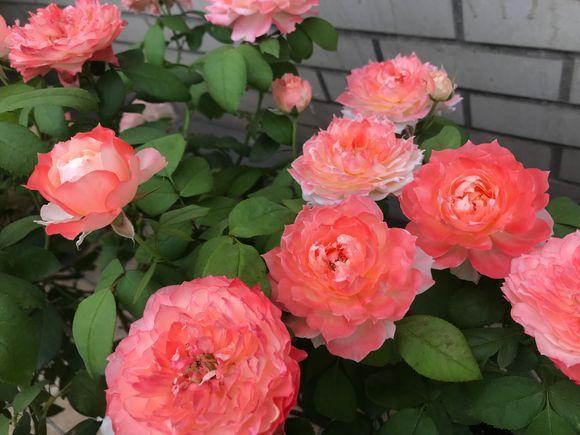
These past few days, even our furnace cities in the south have started to slowly cool down, and this is a great season for roses. If you want them to bloom wave after wave, post-bloom pruning is not as simple as just cutting the flower stalk.
You need to be gentle or firm as appropriate
Be gentle when you should be gentle
Generally, when the branches are still relatively weak and you want the plant to bloom relatively early, we should prune lightly as appropriate. Right now is the peak season for roses to bloom, so do not cut too heavily, or you may easily cut off flower buds that are just about to develop.
After the flowers open, generally just cutting off the flower stalk is enough. For stronger rose plants, you can cut off the pair of leaves below the flower stalk. This pruning method can continue until around Christmas, when the temperature is still around 15°C. At this time, the rose produces fewer flower buds, so the leaves need to be retained for photosynthesis to allow flower bud differentiation, and then flowering continues after Christmas.
Be ruthless when you should be ruthless
Generally, when winter temperatures fall below 5°C, roses tend to enter dormancy, and this is the time to be ruthless. Usually moderate pruning is needed, cutting off half or more of the branch length. At the same time, after pruning, apply fertilizer once, pay attention to the fertilizer concentration, store enough nutrients, and prepare for spring sprouting.
There is another situation: when pests and diseases are severe, heavy pruning is a must. Cut off all branches with pests and diseases, leaving only 2-3 buds at the base. In addition, cut off all dead branches or yellow branches.
One week after rose pruning, once the plant has slowly recovered, it is a good time to supplement fertilizer. It is not recommended to use chemical fertilizers or other fertilizers containing hormones. Generally, it is recommended to use eco-safe organic nutrient solution, with relatively rich and balanced nitrogen, phosphorus, and potassium content, and with various organic matter and minerals added, to promote rapid growth, strong plants, lush green leaves, and vigorous flowering.
Image source: Mr. Big Ears