Hangtai Aquarium: Koi fading? Seven factors to find the root cause and solve it
Koi are loved by many families for their bright and festive body colors. Generally, the patterns of koi are quite vivid or the whole body is bright red. However, some fish keepers find that after keeping koi at home for a period of time, the colors fade, gradually turning white or black. What exactly causes this? Does a change in body color prove that the fish are unhealthy? Today, let us learn about this common yet frustrating problem together.
1. Pigment injection
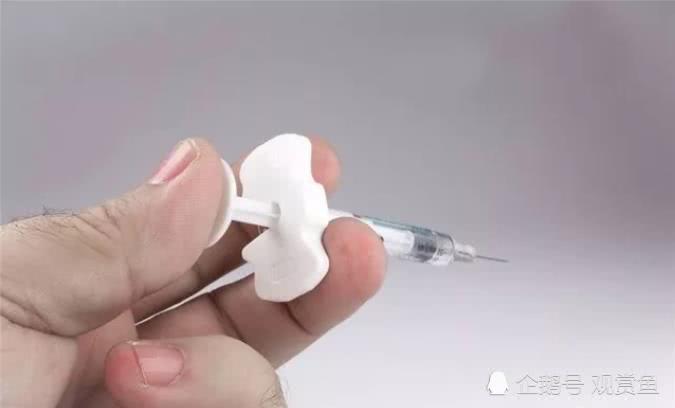
In fact, not all koi have gorgeous body colors; a considerable number of fish are naturally pale in color. However, many koi were injected with pigment at the seller's place at the time, and after coming home the pigment gradually disappears, so the koi slowly turn white.
2. Feed
Some koi became red from a young age only by eating feed with added red-enhancing agents, but when fish keepers buy them and take them home, they rarely continue feeding the original feed, so the body color fades. To maintain it, the owner should buy feed with a red-enhancing effect and feed it to them, but choose one without chemical ingredients to avoid harming the fish's health.
3. Environment
When koi first arrive in a new environment, their body color will turn white for a period of time. The owner need not worry; once they have all adapted, the color will gradually return.
4. Water quality
During the first 2-4 hours after a water change, koi's color will become lighter, but it will quickly return to red. If no new water is added for more than 4 days, koi will also turn white in an environment where water quality is deteriorating. A koi's mouth or gills turning black is a sensitive sign of poor water quality or of not adapting to the water quality. Therefore, generally change the water once every 2-3 days, changing one third or one quarter each time. Keeping the water fresh can ensure that koi do not fade.
5. Fish disease
Koi are prone to two kinds of disease. One is white spot disease, which may cause fading, with the color in certain areas fading and even turning white; the other is black spot disease, in which "black spots" grow on the fish body, appearing grayish-white. These two situations are more troublesome. If it is in the early stage, you can add 1%-3% table salt and soak them once a day for less than 10 minutes each time; if it has reached the middle or late stage, you can put yellow powder into the tank until the water turns light yellow, which has a very good effect on eliminating pathogens, and with slow resting they will gradually recover their original body color.
6. Temperature
Although koi have strong adaptability to temperature, they are actually quite sensitive to temperature as well. Under low water temperature and severe fluctuations in water temperature, koi are prone to stress reactions, and their body color will also turn white, losing its gorgeous luster, and black stripes or markings may even appear on the fins and tail. Therefore, place the fish tank in a spot indoors with small temperature differences, and it is best to keep the water temperature within the range of 25~28°C. The temperature difference before and after each water change should not exceed 0.5°C. In addition, in winter, pay attention to heating and oxygenating the fish tank.
7. Being startled
After red koi are startled, they may fade or develop black spots, and after a period of time they will recover. It is recommended that owners best not keep them mixed with large aggressive fish; you should know that koi are famously cowardly.
If you have anything unclear about the content of the above article, you can leave a message at the end of the article to consult me~