4 details for growing aloe in September: it will grow like crazy and even bloom
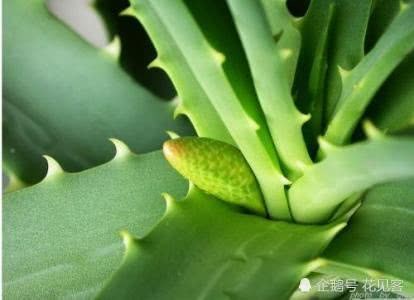
In recent years, aloe has become deeply loved by many flower enthusiasts. Its leaves are clustered, large and thick, growing in a rosette or at the top of the stem. The leaves are often lance-shaped or short and broad, with sharp tooth-like spines along the edges. It has high ornamental value, and every part of it is useful; the sap can be used for beauty care, hair care, relieving itching, and more.
Aloe is a foliage plant, but it can also bloom, though it is relatively rare. Today, Hua'er will introduce to everyone: do these 4 details well when growing aloe, and the liquid fertilizer will make it emerald green and bring out flowers!
1. Soil
Aloe likes soil with good water permeability and air permeability and high organic matter content. When planting, you can choose leaf mold as the base soil, mix in some coarse sand at a ratio of 3:1, then add some bone meal and plant ash to increase nutrients and also protect the root system. At the bottom of the flower pot, spread a layer of ceramic pellets or broken tiles to increase air permeability and drainage.
2. Water
Aloe has a very strong drought tolerance. Even if kept dry out of soil for several months, it will not die. But during the growth and flowering period, sufficient water must be ensured. When the potting soil shows signs of turning white, water it thoroughly. Usually spray the leaves more often to increase humidity, which can promote the sprouting of new buds and flower buds, and also make the leaves more glossy.
3. Light
Aloe likes light. Except in midsummer, when sunlight is too strong, it can receive full sun in the other seasons. Place it outdoors for care so it grows better. It is also tolerant of semi-shade and can be kept indoors, but in that case it is relatively difficult to make it bloom.
4. Fertilizer
Aloe does not need too much fertilizer, but besides nitrogen, phosphorus, and potassium, it also needs other trace elements, such as magnesium, calcium, iron, and other trace elements. So when caring for aloe, it is best to apply organic fertilizer, such as decomposed soybean cake, rice water, fish intestine water, etc. Sufficient nutrients are what allow it to grow and bloom better.
That is all for aloe care. If flower enthusiasts have other additions, you can share them with everyone in the comment section below. If you want to learn more about flower-growing knowledge, you can follow Huajianke!