In autumn, cut the flower roots twice, and not only will nothing go wrong, they will grow even better
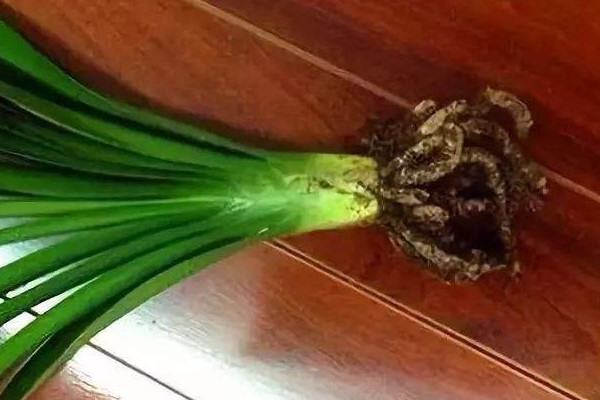
Many people think that repotting, grafting and taking cuttings are all very important, yet they overlook the matter of pruning the roots.
The roots are the foundation of a plant. If the roots are damaged, then this plant will not live long either. The roots are where plants absorb water and nutrients; it can be said that the roots are the most important part of a plant. Therefore, we must take the matter of root pruning seriously.
Why prune the roots?
Once we have been growing plants for a long time, the plants will inevitably grow many roots. Some of these are useful, some are not. The messy, tangled roots only rob the plant of nutrients, making the part of the plant growing above the soil become malnourished and affecting the plant's appearance and speed of growth.
There is another situation: the plant's roots have already been damaged, but for various reasons no one has discovered that there is a problem with the roots. In this case, if the roots are pruned in time and the rotted roots are cut away, then the rot will expand its area, causing more roots to continue rotting, and in the end quietly letting the plant die. By the time you prune the roots then, it is merely locking the stable door after the horse has bolted.
Another benefit of timely root pruning is that it can cut away the old roots, thereby allowing new roots to grow. This practice is good for the regeneration of the plant's roots, can make the roots grow sturdy, is good for the plant's growth, and makes the plant grow more stably and firmly.
How should the roots be pruned?
Step one: stop watering before root pruning, and let the soil stay slightly dry.
Step two: clean off the soil, gently, so as not to cause further damage to the roots.
Step three: cut away the roots that are growing poorly, the old ones, the problem ones, and the overly long and tangled ones.
Step four: after pruning the roots, you can wash the plant's roots clean, disinfect them and let them dry.
Step five: when transplanting, it is best to choose moist soil, and at this time you can avoid light. After three to five days, once the plant shows signs of life, you can water it.
These are the five steps of root pruning for plants. Has everyone learned them?
Huahua has told everyone so much, all simply to make everyone pay attention to the importance of the roots. I hope everyone can take good care of the plant's roots; that way, more than half the work of growing a plant well is already done!
Autumn is cool, and those who want to do some "little tricks" for their plants can act quickly. If you are lazy and do not do it now, the plants will find it very hard to survive the winter, so people who love growing flowers absolutely must not be lazy!