Soil compaction is the most deadly, these two houseplants urgently need repotting, detailed instructions on how to do it
Soil is an indispensable substance for flowers. The quality of the soil directly determines whether the flowers can grow, what kind of flowers they can become, and also determines the health level of the flowers. Every time we see flowers not growing well, we feel very anxious, but we can never find a solution. That is because you have not looked for the cause at all, and have not treated the root problem, so of course you cannot solve it!
We all know that when soil has been used to grow flowers for more than a year, the nutrients in the soil will be used up. No matter how we add nutrients, it is useless. Moreover, after a long time, the soil will become very hard. Under normal circumstances, it is very difficult for us to break the soil apart. Just imagine, at this time, the plant's roots are also in such hard soil, so the roots definitely cannot grow. Then if we want the plant to continue growing, the only method we can adopt at this time is repotting. Today, the editor will tell you which plants need repotting and why.
The first type of plant is pothos
The pothos we see is definitely a large pot, because pothos propagates really fast. Unless we deliberately separate its plants, every time it grows for a period of time, it will become a large pot. Pothos grows so fast, so it will definitely absorb a great deal of nutrients from the soil.
At the beginning, the soil can definitely keep up with the nutrition, but after a long time, the pothos roots become very numerous and lush. You will find that the entire flowerpot is full of pothos. The nutrients in the soil are gradually sucked dry. If we still do not take repotting measures, you will find that the flowerpot is all roots, with almost no soil visible. In this situation, the pothos definitely cannot grow, so after about a year, we should repot the pothos.
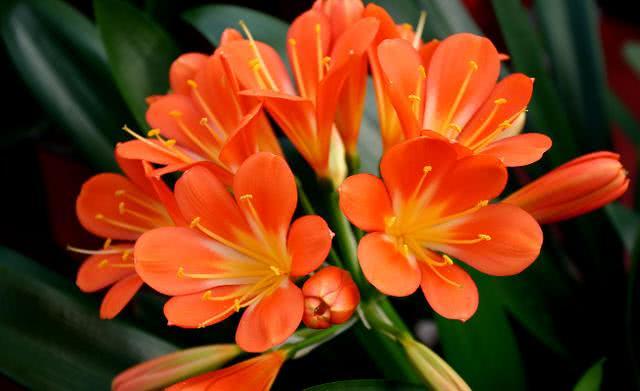
The second type of plant is clivia
In our eyes, clivia definitely grows very slowly, but this is just an illusion. In fact, clivia grows very fast, but its leaves almost do not grow, or only after a long time can we discover that it has grown larger. Its root system grows very quickly, but the roots are in the soil, so we cannot notice that it has grown.
But not seeing it does not mean it is not happening. The root system of clivia not only grows very quickly, but also absorbs especially large amounts of nutrients from the soil. Moreover, its roots will also eat the soil. After a period of time, the soil in the flowerpot will decrease at a rate visible to the naked eye. At this time, we definitely cannot let it eat all the soil clean, because if that happens, without soil, clivia will not be able to absorb water either. Even if we water it, clivia cannot retain it, so we need to take some measures to solve this problem.
This time it is not as simple as just repotting. When this situation occurs, we need to cut off some of the yellowing leaves of the clivia, then place the entire clivia root system in a multi-bacteria nutrient solution to soak for about half an hour, then take the clivia out. After the multi-bacteria solution has been completely absorbed, put it into new potting soil to plant. Only in this way can the clivia recover and grow.