Water spider plant with it once a month, and it will grow vigorously and look even better
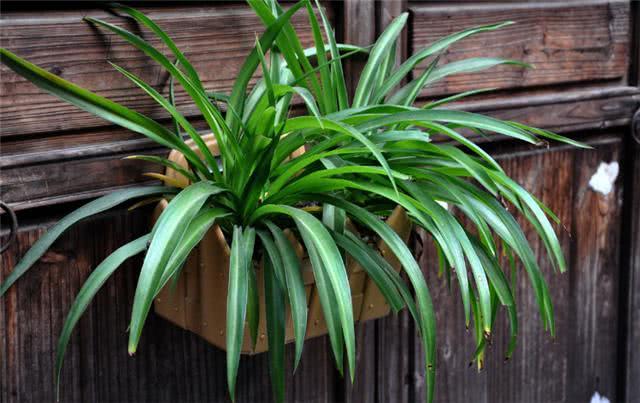
Spider plants stay green all year round. Keeping them in the living room or on the balcony brings vitality and energy to the home, and spider plants can purify the air and absorb harmful gases, which benefits people's health, so many flower lovers grow spider plants. But some flower lovers may find their spider plants developing yellow leaves, black tips and root rot. In fact, as long as you master the techniques for growing spider plants, they can become even more emerald green.
How to grow potted spider plants
First, you need to pay attention to fertilizing spider plants. Generally, organic fertilizer is chicken manure or bean dregs, or you can use leaf mold leachate, which has high fertilizer efficiency and is rich in humus and trace elements such as nitrogen, phosphorus and potassium. It also works well for growing spider plants.
Making leaf mold leachate
Generally, dig some leaf mold from the woods or the wild, then bring it home, put it in a sealed bottle, add water and stir, leave it in a cool place for 3-5 hours, and then you can filter out the leaf mold leachate.
Watering spider plants with leaf mold leachate
Watering spider plants with leaf mold leachate once a month is even better than fertilizing. It is also relatively easy to make and has no smell. Flower lovers use leaf mold for growing flowers, so you can store some to make leachate.
Leaf mold leachate can be used not only for spider plants, but also for clivias, pothos and rubber plants. Flower lovers can usually make some leaf mold leachate themselves to water flowers, so that the leaves can be even more emerald green, the flowers can bloom more beautifully, and foliage plants can also stay green all year round. If it is helpful to flower lovers, remember to follow, like and share.