How to grow roses so they bloom abundantly and fragrantly
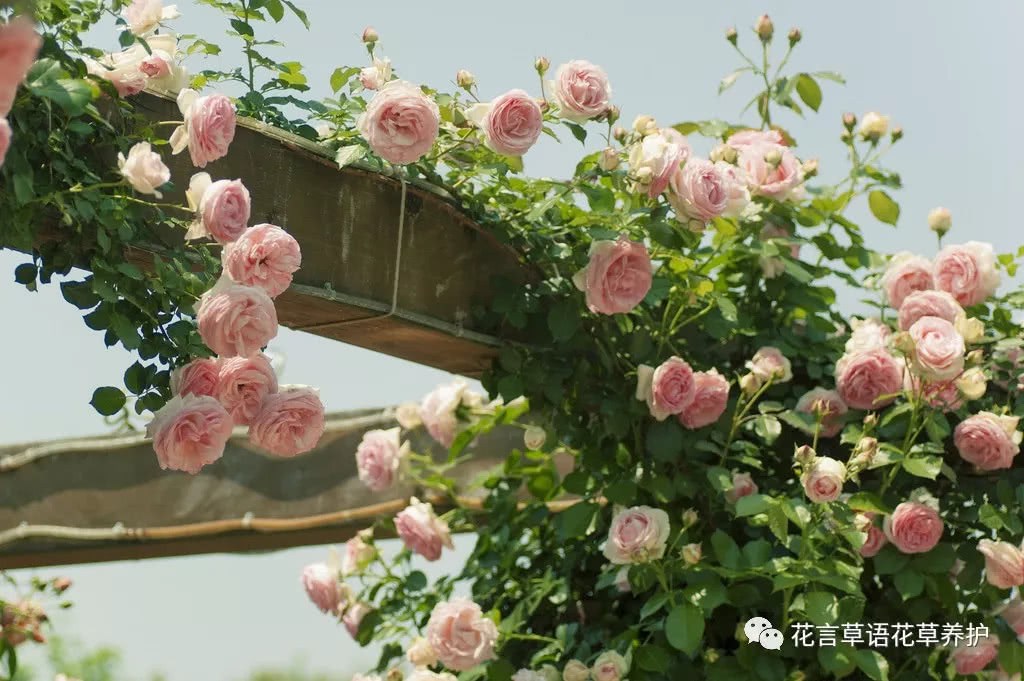
Roses are deciduous shrubs native to China. Under natural conditions, they often sprawl flat along the ground or climb upward by leaning on other trees. Roses are not particular about soil, but whether planted in the ground or in pots, they grow best in sandy loam rich in humus.
Watering
Roses like moisture but fear wetness and waterlogging. From bud break to before flowering, you can water a little more generously, as long as the soil stays moist without becoming waterlogged. After flowering, do not water too much; let the soil dry out and then water again. During the rainy season, pay attention to drainage to prevent waterlogging.
Fertilizing
It likes fertilizer and also tolerates poor soil. In March, apply 1 to 2 times a nitrogen-based liquid fertilizer to promote the growth of branches and leaves. In April and May, apply 2 to 3 times a fertilizer mainly of phosphorus and potassium to encourage more buds and more flowers. After flowering, apply one more rejuvenating fertilizer, and then no further fertilizing is needed.
Pruning
Roses have strong sprouting ability and grow luxuriantly. If not pruned in time, under conditions of muggy heat, humidity, insufficient light and poor ventilation, they are prone to pests and diseases. Therefore, prune once after flowering.
Disease
Under conditions of rain, humidity, poor ventilation and poor sunlight, roses are prone to powdery mildew. Once found, cut off the diseased branches and destroy them to avoid contagion, and spray a low concentration of lime sulfur mixture or Bordeaux mixture or thiophanate solution to prevent the disease from spreading.
Cuttings
You can choose vigorous, semi-lignified branches of the current year for cuttings, place them in partial shade, and transplant them in the following spring after they have taken root. You can also, before bud break in early spring, cut off the suckers sprouting from the roots together with their roots and plant them separately. You can also, during the growing season, press trailing branches into the soil, and once they have rooted, cut them off and plant them separately.