This plant that sticks to your clothes was annoying as a kid, but now it sells for 10 yuan per jin
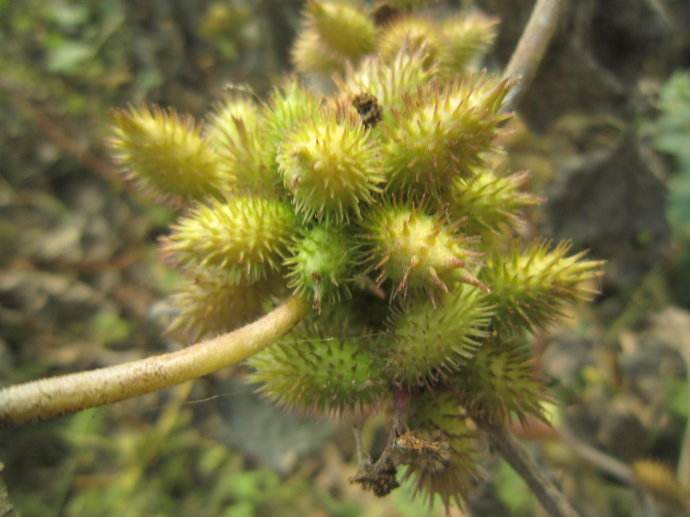
When I was little, my family lived in the countryside. As soon as school let out, I would go play at the edges of the fields with the neighbor kids. Looking back now, those really were wonderful memories. I still remember all the wildflowers, wild grasses and wild berries out there. Like the common morning glory, which we called "bowl-breaking flower" - every region has a different name for it; my hometown is in southwestern Shandong. And the common little muskmelon too. Of course, there was also one plant I will never forget - a plant that "sticks to your clothes," with prickles on its fruit. Once it stuck to your clothes, it was really quite annoying. Looking back now, I know it is called "cocklebur."
Cocklebur counts as a kind of weed, I suppose - no matter how you try to get rid of it, you never can, and instead it spreads like crazy. That is all because of its prickly fruit: wherever the tiny fruit sticks, it can survive there. Many rural households raise cattle and sheep, and especially on sheep, the animals often end up covered in cocklebur - that is truly a headache, and pulling them off is no easy job. It also often sticks to clothes. This was what annoyed us kids the most. Even so, it felt full of fun. Every now and then, for a bit of amusement, we would pick cockleburs ourselves and stick them onto our clothes to make patterns, looking quite proud of it.
Although cocklebur is a kind of wild grass, its value is not low. Quite a few people probably know that it is toxic, and in fact the whole plant is toxic. Indeed, the seed kernels and cotyledons of cocklebur contain toxic proteins and toxic glycosides, which can damage the heart, liver and kidneys and cause bleeding. So children must never be allowed to eat it. The vast world has countless species, but most of them follow one principle: most toxic plants can also be used as Chinese medicinal herbs. Cocklebur is the same.
The value of cocklebur
The roots, stems, leaves, flowers and fruit of cocklebur each have their own different uses. For example, its fruit can be used to dispel wind-dampness and open the nasal passages, and the oil pressed from the fruit is also a premium spice. After the stems and leaves of cocklebur are pounded into a paste and applied, they also help treat scabies and insect bites. It is precisely because of all these values of cocklebur that this plant, originally just an overgrown weed, has gradually become known to the general public. Cocklebur, which grows everywhere in the countryside, has now reached a market value of 10 yuan per jin. You could say it is a "very outstanding" weed!
Cocklebur has given us so many memories. Nowadays I have gotten into growing flowers, and once in a while I also plant some wild vegetables and melons and fruits in pots on the balcony - after all, there can be traces of childhood in this, and it also brings a lot of pleasure to life. If you once lived in the countryside too, and if you do not have a big courtyard now, that does not matter. After all, on a balcony, those few square meters of space can hold many "potted" things. Purslane, figs and so on can all be grown in pots.
Finally, thank you for reading! Growing flowers and plants is a pleasure, and an indispensable part of life.
Remember to like and share it~