Knowing how to drink tea and drinking good tea is, in fact, a kind of happiness.
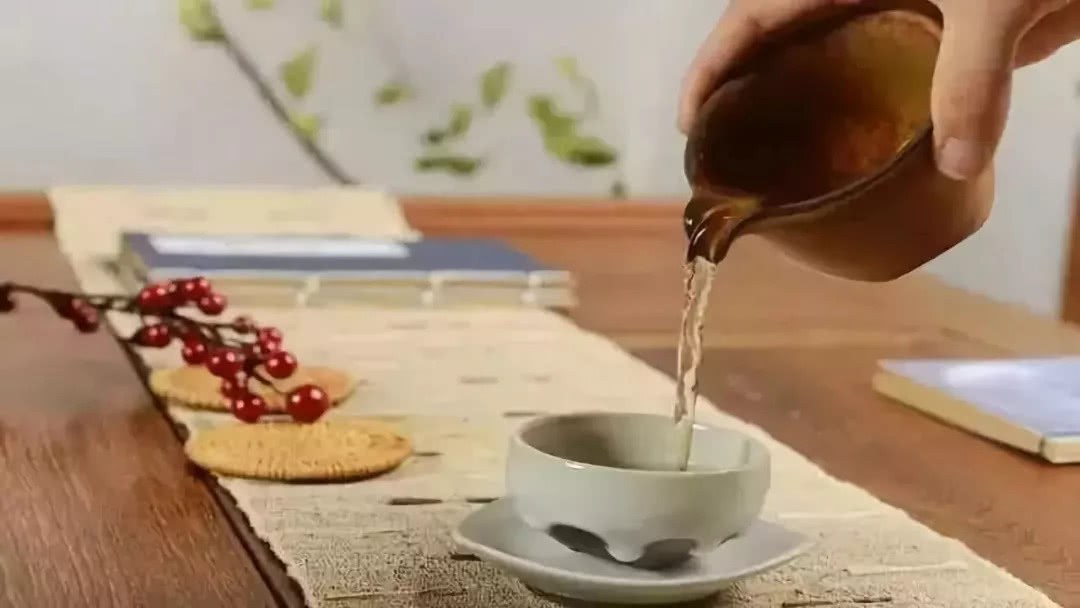
Drinking tea is one of life's pleasures. From ancient times to the present, tea culture has become a part of the history and culture of the Chinese nation and a modern necessity for health. Lu Xun once said: "To know how to drink tea and to drink good tea is a kind of happiness."
A cup of tea can penetrate life and let you see the simple and elegant essence of life. Drinking tea is about the state of mind, and more than that, it is a savoring and appreciation of tea, a mood, a scene, as if by the sea amid coconut palms, watching the high sky and pale clouds, listening to the wind and the waves.
A cup of clear tea, a few close friends, turning tea thoughts into wisps of delicate fragrance, and the charm of tea emerges. Or it is the mood of "On a cold night a guest comes, tea serves as wine, the bamboo stove boils and the fire first glows red; the moon before the window is the same as always, only with plum blossoms is it different." On a night of light snow and clear cold, a guest comes visiting through the snow, shoveling snow and melting it into water, lighting a fire to brew tea; even if at that moment you sit facing each other without words, outside the house snow weighs down the cold branches, a few dots of plum blossoms reflect on the window, and that is yet another kind of pleasure of sitting quietly and drinking tea.
Good tea leaves are like a kind of life: in the limited journey of life, although no earth-shaking story has occurred and no unforgettable scene has been captured, there is only calmness and ordinariness, yet this ordinariness is memorable and enduring, and from it one tastes a state of mind indifferent to fame and gain. In conducting oneself, one should also be like tea: frank and plain, bringing warmth to others; after all the bustle has passed, a faint lingering fragrance remains between the lips and teeth, worthy of being savored carefully.
Is the life we are experiencing not like the journey of a tea leaf? When returning with a full harvest, choose a quiet and secluded place, pour a cup of fragrant tea, and watch closely as a pinch of tea leaves is tempered and tossed in scalding hot water, gradually unfurling, and finally sinking to the bottom of the cup; after being brewed again and again, it gradually returns to a calm and true process.
I think this should be what people often mean when they say that when a skill reaches its ultimate refinement, it is the Way. For one who has reached the Way, every movement is the pinnacle of skill. A simple action can easily turn a difficult problem into the ultimate of beauty, allowing those who come to the tea gathering to rise above the mundane and enter a state of purified heart and cleansed body. No wonder Sen no Rikyu, in his later years, when explaining the spirit of the tea ceremony of "harmony, respect, purity, and tranquillity," said: there is nothing especially mysterious about drinking tea; put charcoal into the stove, wait until the water reaches the proper degree, add tea leaves so that it produces the proper flavor. According to how the flowers are growing, arrange the flowers in the vase. In summer, make people think of coolness; in winter, make people think of warmth. There is no other secret.
A person's life, with its twists and turns and repetitions, is just like the tea leaves in this cup: silently unfurling, quietly ending, calm, clear and bitter; that astringent lingering fragrance on the taste buds is the flavor of life, and also the original flavor of tea.
END