When flower soil hardens and becomes compacted, you must not dig it or water it; here is the right way to handle it
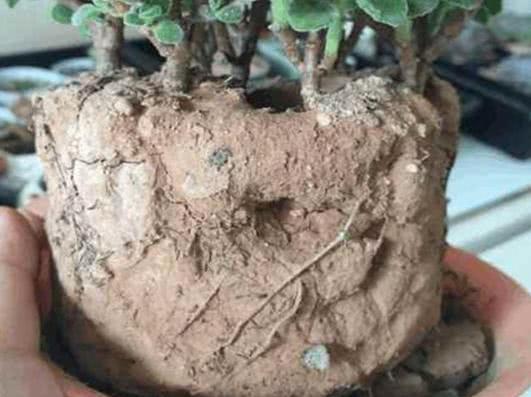
Compacted potting soil in flower pots is a very common situation. Nowadays, more and more people are growing flowers, and it is very necessary to learn more about flower growing. After all, flowers and plants are also a discipline with plenty of knowledge in it. Leaving aside the issues of fertilization, watering and light, even just the nutrient soil itself involves a lot of particular knowledge. I believe many flower growers have experienced potting soil becoming hard and compacted. When this happens, what exactly should be done? Should you dig it with a trowel, loosen the soil, or immediately water it heavily? In fact, neither of these two methods is correct!
First, let us talk about why the soil in flower pots easily becomes compacted
Compacted potting soil happens often, and it is mainly caused by the following "2" factors. First, not repotting flowers and plants for a long time leads to a relatively low content of organic matter in the soil, which affects the activity of microorganisms and in turn affects the formation of soil aggregate structure, gradually resulting in compaction. Second, many flower growers know the importance of fertilizing when growing flowers, but when they cannot get organic fertilizer for the time being, they use chemical fertilizers alone and in excess over the long term, such as the common compound fertilizer. In this way, humus cannot be replenished in time, which likewise causes soil compaction.
After flower-growing soil becomes hard, you absolutely must not "dig" it, and even more must not "water" it; here is the right way to do it
The reason potting soil should not be dug after it becomes compacted is that most of the potting soil has now merged with the root system of the flowers and plants, stuck together inside. If you use a small trowel to dig or loosen the soil, it is very easy to cut the root system of the flowers and plants. The roots are already shriveled, and digging again will be harmful to their health. There is also the issue of watering. Many people think that if the potting soil is compacted, then watering should surely work, right? The potting soil will become loose and soft. In fact, this view is wrong. Because when the potting soil is so hard that it cannot even be dug, once a large amount of water is poured in, it will instead aggravate the harm, since the potting soil and roots are stuck together, and in addition, at this time the nutrient soil no longer has any organic matter and all the nutrients have been lost. It is also not conducive to repotting and changing the soil later.
The correct solution after the soil in a flower pot becomes compacted
When the soil of a potted flower plant becomes compacted, at this point you should first stop watering, and even more, stop fertilizing. The correct method is to first move it to a cool, ventilated place for one day, then choose a comfortable morning or evening and adopt the method of "repotting." When repotting, note that because the root system is also inside the clod after compaction, you should gently run a small trowel around the edge of the flower pot, turn the flower pot upside down, and slowly tap the flower pot, so that the entire flower plant will come out of the flower pot along with the soil. Then gently separate the potting soil from the root system. Repotting and changing the soil at this time, in autumn, is also just right.
Finally, a few small points about repotting and changing the soil. When repotting, after taking out the flowers and plants, be sure to check whether the root system of the flowers and plants is healthy. If there are rotten roots, first cut them off with scissors, and after washing them clean, soak them in a potassium permanganate solution for about 5 minutes. The purpose of doing this is sterilization and disinfection. Only then can you prepare some loose and fertile nutrient soil for transplanting. If cared for properly in this way, the survival rate will not be affected at all.
That is all for sharing about potting soil knowledge; thank you for reading!
Remember to like and share~