Serious Consequences of Not Removing Spent Flowers After They Fade - It's Not Too Late to Know Now
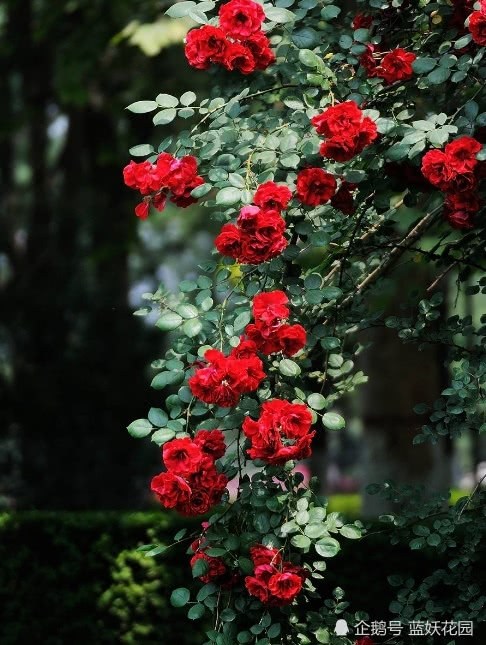
0069. The consequences of not removing spent flowers after they fade are actually this serious - it's not too late to know now
In the process of growing flowers, many flower lovers only want to admire the beautiful blooms and hope their potted plants will flower for longer, yet they never remove spent flowers. In fact, not removing spent flowers has a huge impact on plants.
You might say that plants in nature all bloom and set seed without anyone removing spent flowers, so why should potted plants have their spent flowers removed?
Plants in nature bloom and set seed in order to reproduce the next generation, while we grow potted plants for ornamental purposes. When we are not collecting seeds, in order to let potted plants achieve a better state, with more blooms and longer flowering periods, we need to remove spent flowers in time. Let's take a look at why spent flowers should be removed.
1. Promote the next flower to open as soon as possible
Flower lovers who have grown roses (Rosa) should have experienced this: when a rose flower fades, whether you promptly cut off the spent flower or not, the next flower opens at a different time, and the flower size is different too.
If you do not cut off the spent flower, it will keep consuming nutrients and may even develop fruit, with everything prioritizing the spent flower. The nutrients for the later buds will then be divided, but if you cut off the spent flower in time, nutrients are concentrated and supplied to the buds waiting to open, which can make them open earlier.
2. Promote a second round of blooming
For some shrub flowers, removing spent flowers in time can also promote the formation of a second flush of blooms. Take roses as an example again: if the spent rose flowers are not cut off, the buds on the branches will sprout relatively late, the second flush will open later, and the flowers will also become smaller.
Cutting off spent flowers in time can stimulate the growth of new branches and produce new flower buds. Because the spent flowers are removed promptly, nutrient waste is also avoided, and the second flush can still bloom fairly well.
For example, with some herbaceous flower varieties such as petunia, if spent flowers are not removed in time after the first flush, the plant will set seed, which not only inhibits the growth of the second flush but also consumes a large amount of nutrients.
If spent flowers can be removed in time, excessive nutrient consumption can be avoided, and secondary growth and reblooming can also be promoted.
3. Build up nutrients for next year's blooming
For some varieties that bloom only once a year, spent flowers also need to be removed in time. Although removing spent flowers means the plant cannot bloom again that same year, it can save a lot of nutrients and prepare for next year's blooming.
You should know that if a plant consumes too much energy because of blooming and setting seed, it can easily become weak and affect next year's blooming.
Lanyao has said so much - do you understand the importance of removing spent flowers? It should be noted that removing spent flowers is different from pruning. When removing spent flowers, remove only the flowers, not the leaves. Leaves are used by plants for photosynthesis and to produce nutrients, so do not remove leaves lightly.
To see more knowledge about growing flowers and vegetables, please follow Lanyao's WeChat public account: Lanyao Garden (ilanyao)