How to grow a boxwood bonsai? A detailed guide to care management and daily maintenance
Boxwood is a type of wood we often hear about and come into contact with; as the name suggests, it mainly comes from the boxwood tree. The boxwood tree is relatively tall, but it is highly malleable, so it is very suitable for growing as a bonsai. Growing boxwood at home is also fairly simple; just pay attention to the care and management of the boxwood bonsai, such as: soil, water, fertilizing, light and pruning, repotting, and pest and disease management.
I. Daily care of boxwood bonsai
1. Soil
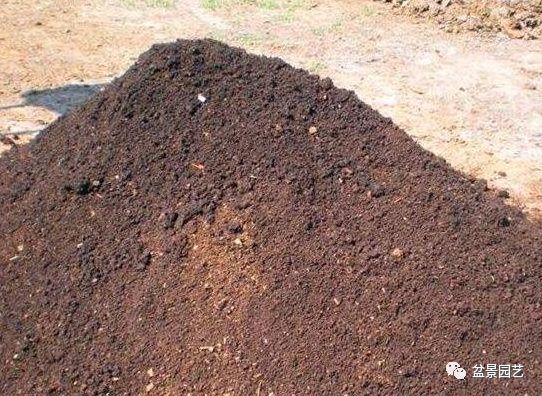
Boxwood likes loose soil that is breathable and drains well; slightly acidic, neutral, or slightly alkaline soil is all fine. For the soil, you can mix leaf mold, paddy soil, and mountain soil with vermiculite, peat, and so on. Before potting, add base fertilizer, using a small amount of soybean cake fertilizer. The root system of boxwood is fairly developed, so choose a slightly larger pot when potting; lay broken tiles at the bottom of the pot, then spread a layer of fine sand. When potting, trim the roots, spread them out in the pot, and then fill with soil.
2. Watering
After the boxwood bonsai is potted, water it thoroughly. During later care, water again when the surface of the potting soil is dry, and water thoroughly each time. When growing a boxwood bonsai indoors, evaporation is low, so the water requirement is relatively small; do not water too much, and the potting soil must not be too wet. In summer, when the temperature is too high, frequently spray water on the leaves to keep them moist and lower the temperature; in winter, reduce watering.
3. Fertilizing
Boxwood likes fertilizer, but when grown in a pot, space is limited and there is not enough soil, so fertilizing should focus on light fertilizer. For a boxwood bonsai, fertilizing 3 to 4 times a year is enough, once per season, and depending on leaf color and the plant's growth rate, you can appropriately add 2 to 3 more applications.
4. Light
Boxwood likes shade, but it cannot go without light for a long time, otherwise the leaves will turn yellow and drop. However, it also cannot be exposed to strong sun; summer sunlight is too intense, so pay attention to shading. In spring and autumn, it can be exposed to sunlight while avoiding midday, and in winter, when the sunlight is soft, it can be placed in the sun for care.
II. Management of boxwood bonsai
The care and management of a boxwood bonsai describes two aspects: care and management. The four aspects above are the necessary conditions for care; below we mainly briefly discuss the daily management work of boxwood bonsai.
1. Pest and disease prevention management
When caring for a boxwood bonsai, you may find black spots on the leaves and dead branches, or localized yellowing of the leaves. This may be leaf spot disease or branch blight, and it can be eliminated by spraying diluted carbendazim or mancozeb.
Common pests of boxwood bonsai are generally the boxwood leafroller and scale insects. In the early stage of infestation, when there are few, they can be removed manually by wiping them off with a damp cloth; if there are many, diluted trichlorfon can be used to kill them.
2. Pruning management
Boxwood has strong sprouting ability, so during care and management, it must be pruned in time. Boxwood bonsai is mainly for ornamental use, so in management work, pruning is indispensable; cut off branches that are too dense and unsuitable for shaping.
Pruning is divided into branch pruning and pinching. Branch pruning should be done during the dormant period, generally determined according to the tree shape; cut off dead branches, parallel branches, crossing branches, and so on that hinder appearance, and you can also cut off useless new shoots that have just sprouted to reduce the loss of nutrients. Pinching mainly controls fast-growing branches, controls the height of the plant, promotes the formation of side branches, and makes the plant become rounder and fuller.
3. Repotting management
When managing a boxwood bonsai, generally repot once a year, because boxwood's root system is very developed and grows quickly, and in one year it will fill the bottom of the pot. During management, repot in time and remove old roots and dense roots from the root area. In addition, when repotting, replace half of the potting soil to maintain soil nutrients and breathability and drainage; repotting is beneficial to root growth and the growth of the plant.
III. The value of boxwood
1. Ornamental
Boxwood is highly malleable, and you can make bonsai in various shapes according to personal preference. Boxwood bonsai can be used in gardens, and can be grown in courtyards and indoors, with very good decorative and ornamental value; it can also accent rocks and decorate gardens.
2. Medicinal
Boxwood has certain medicinal value, mainly its roots and leaves. The roots and leaves of boxwood can be harvested throughout the year, dried in the sun, and used as medicine; they can relieve rheumatic joint pain, and treat dysentery, stomach pain, hernia pain, abdominal bloating, toothache, bruises and injuries, and other conditions. When using boxwood as medicine, be sure to follow a physician's advice.
3. Economic
Boxwood is very good wood and is very popular on the market, with a high price as well. Boxwood is pale yellow and has the advantages of a tough texture, fine grain, and moderate hardness, making it suitable for carving; the boxwood combs some people use are also made from boxwood.
Conclusion: The daily care and management of boxwood bonsai is fairly simple. The whole boxwood plant is a treasure; it can be used as medicine, made into sculptures, and made into combs, and it also has high ornamental value. Flower lovers who like it should not miss it.
Bonsai Gardening
Appreciate bonsai, enjoy life