Does hydroponic pothos often get root rot? The problem must lie in these aspects
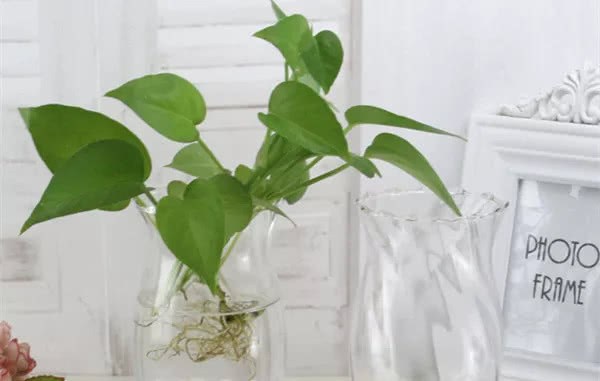
Many friends like to keep a pot of pothos at home, especially growing it hydroponically. Set off by the water, it adds even more to the fresh and lovely feel of the pothos, truly delicate and charming.
However, some flower growers report that their hydroponic pothos suddenly developed root rot for no apparent reason, which not only seriously affects its ornamental value but is also quite harmful to the healthy growth of the pothos.
So why exactly does hydroponic pothos frequently get root rot, and which part of the care routine has gone wrong? Don't worry, take a look and see whether the problem lies in the following aspects.
One
Improper water changes
To grow pothos well, proper water changes are necessary. Otherwise, the hydroponic growing medium of the pothos becomes overly contaminated and the water quality deteriorates, making it very easy for it to become a breeding ground for bacteria and viruses, thus causing root rot in hydroponic pothos.
Generally, when the water inside the pothos container is found to have become somewhat cloudy, it is time to change the water for the pothos. In spring and autumn, change the water about once every two weeks; in winter, change it about once every three weeks, to prevent improper water quality from harming the healthy growth of the pothos.
When changing the water, note that when taking the pothos out of its original hydroponic growing medium, it is best to first rinse its root area with clean water, and then repeatedly rinse the container, so as to prevent bacteria in the original water from infecting it.
Of course, the frequency of water changes should not be too high either; the pothos must be given enough time to adapt and grow. If the water is changed too frequently, even once a day, it can easily lead to slow growth and poor condition in the pothos.
Two
Water level too high
When growing pothos hydroponically, do not put too much solution in the container; the root area of the pothos must be left with enough space to breathe. If the water level is too high, it is very easy for the entire pothos to be soaked in water, so its roots cannot breathe and it naturally tends to rot and die.
When growing pothos hydroponically, pay attention to the water level of the growing medium. When adding solution to the container, it is best not to soak all the pothos roots in water; this way, the normal breathing of the plant roots can be ensured.
Three
Water quality issues
Actually, as for the water quality used to care for pothos, the problems involved are not major either. You can choose tap water and then just add a little hydroponic nutrient solution to it.
However, note that tap water needs to be left standing for a period of time first, so that the chlorine in the water is fully released before it is used to care for the pothos. Otherwise, the chlorine contained in the tap water will have an adverse effect on the root growth of the pothos.
Four ⟧21⟧Water temperature too high
Water temperature too high
When caring for pothos, be sure to note that the water temperature chosen for growing pothos must not be too high, otherwise its roots can easily be affected by the high temperature, even rapidly aging and rotting.
Especially in high-temperature seasons such as summer, when growing pothos hydroponically, be careful that the water temperature inside the container does not continuously reach above thirty degrees for long periods. Pay attention to shading and cooling, and prevent exposure to blazing sun, so as to maintain the healthy growth of the pothos.
In addition, some special methods can also be used in daily care to achieve the goal of preventing root rot in hydroponic pothos. You can add some hydrogen peroxide and the like to the hydroponic solution in advance, to achieve a full disinfecting and sterilizing effect;
In summer and autumn, to prevent the pothos from suffering root rot due to lack of oxygen, you can gently shake the hydroponic pothos container from time to time. This can promote oxygen exchange in the solution and supplement the oxygen environment for the plant roots.
If you also like growing flowers, then follow us!