Orchids and clivias grow like crazy and never suffer root rot after a skilled grower puts this in the pot
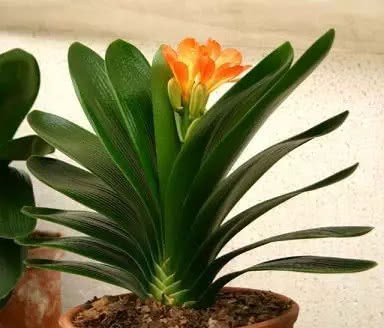
As people's living standards improve, more and more people have fallen in love with growing flowers. Keeping a pot of flowers at home beautifies the room, purifies the air, and cultivates the mind and character. Orchids and clivias (Clivia miniata) are common indoor potted flowering plants, but these two flowers are not easy to grow well. During care, root rot or failure to bloom often occurs. Today I want to share the experience of a skilled flower grower: put this in the pot, and orchids and clivias will grow like crazy and never suffer root rot again.
1. Wood shavings
Using them as a drainage layer at the bottom of the pot works very well too. They have good properties of looseness, aeration, water permeability and water retention, and they are clean and hygienic, while also providing strong insulation, which is especially beneficial to root growth. However, these wood shavings are best made from raw wood, not from various composite boards, because those shavings contain chemical ingredients that do no good to the flowers and are actually harmful.
Wood shavings are also very suitable for planting new seedlings. For example, with flower seedlings sent by mail, planting new seedlings in wood shavings provides looseness, aeration, insulation and moisture retention. After a period of time, new roots grow again from the old root parts of the dried-up fibrous roots of the new seedlings, bringing the seedlings back from the dead and restoring their vitality.
How to use: If the wood shavings are fresh, do not rush to spread them at the bottom of the pot. First boil the wood shavings for about half an hour, then put them in a cool, ventilated place to dry. Only after boiling and drying can the wood shavings be directly mixed with soil, greatly increasing the soil's aeration. Using wood shavings to grow clivias, orchids and other flowering plants makes the roots grow very strong, prevents root rot, and makes them grow like crazy.
2. Dead willow branches
Willow bark is rich in natural salicylic acid, which promotes rooting, sprouting and leaf photosynthesis, and also has anti-inflammatory, sterilizing and preservative effects. When potting flowers, laying some dead willow branches at the bottom not only reduces the occurrence of disease, but also increases the aeration and drainage of the potting soil and prevents root rot. It is especially suitable for growing orchids, clivias and other flowers.
How to use: Cut the dead willow branches to the required size, at a length of 1/3-2/5 of the pot height, then soak them in a 0.5% potassium permanganate solution for about 1 hour, finally wash them clean and dry them, tie them into a bundle with string, and place them at the bottom when potting as the drainage layer, then add soil on top as usual.
Thank you all for reading. I hope it helps you. If you have any good methods, flower lovers, please leave a comment and share them with everyone.
Reply "ebook" to get a professional flower-growing ebook!
Reply: plant name (such asmoney tree): to view cultivation methods