Roses love vinegar, but moderation is key, and then they bloom like crazy
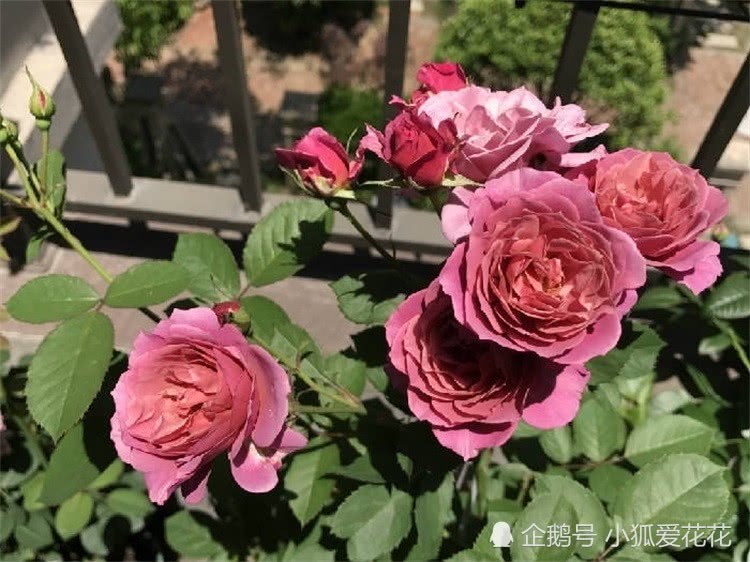
It is autumn now, and there is none of that "cool and refreshing" feeling that flower lovers imagine. Instead, the high temperatures persist, and not only that, drought is about to take the stage as well. So when growing roses, there will be a different approach to care.
It is said that autumn is the peak growing season, and roses are no exception. Some flowering varieties are slowly developing their small flower buds, but not all buds will bloom. If care is improper, it will directly cause flowering failure, and a whole round of blooms will be gone just like that. But never mind, for the sake of our roses, today I will join you in giving the roses a toast of "vinegar" so they grow well and bloom.
The first cup of vinegar: sorting out soil pH
Many flower lovers know that roses like acidic soil, and in acidic soil, roses grow better. Vinegar itself, as an organic substance, has a certain acidity, and using it for roses is very suitable. It can regulate the soil pH, and after being decomposed, it can also supplement some fertilizer for the roses. This way, it can effectively promote rose growth. It can be said to kill two birds with one stone.
Generally, vinegar can be mixed with 100 times its amount of water and then used for watering, but the key point here is that vinegar cannot be used to water roses over the long term, to prevent the soil from becoming too acidic and affecting the rose roots. If you feel vinegar is not suitable, you can also use a rose-specific organic liquid fertilizer diluted 1000 times with water and spray or water with it. Besides supplying nutrients, the microorganisms in it can also improve the soil and achieve the effect of regulating soil pH.
The second cup of vinegar: sorting out leaf brightness
Besides being diluted with water to water the roots, vinegar can also be diluted with water and put into a spray bottle to spray the rose leaves. The effect of this spraying is that it can stimulate the growth and development of rose leaves, improve the leaves' photosynthetic capacity, and make the rose leaves more emerald green, so the roses will grow more vigorously. Not only that, many flower lovers also say that after spraying vinegar, the flowering amount of roses will also increase noticeably.
Here the use of vinegar also requires dilution with water, and the dilution ratio is also 1:100. After the solution is prepared, spray it, but note that you should avoid high-temperature weather and appropriately reduce ventilation a little, to prevent the water in the just-sprayed solution from evaporating and the solution concentration becoming too high, which could burn the leaves.
The third cup of vinegar: sorting out pests and diseases with a trick
Vinegar has a very good sterilizing and disinfecting effect, making it especially suitable for roses that are always prone to problems. Diluting vinegar with water and watering or spraying the roots can effectively kill some harmful viruses and bacteria in the soil. When the leaves have powdery mildew or black spot disease, dilute vinegar with water and spray it directly on the affected areas, twice a week, and after a few sprays there will be a very obvious effect.
In addition, many small pests also dislike the smell of vinegar, so it can also be used to repel insects. This way, it can effectively protect rose flowering. Alright, that is the "vinegar" I wanted to introduce to all flower lovers today. Have you learned it?