3 taboos of growing flowers indoors, many people get them wrong, stop ignoring them
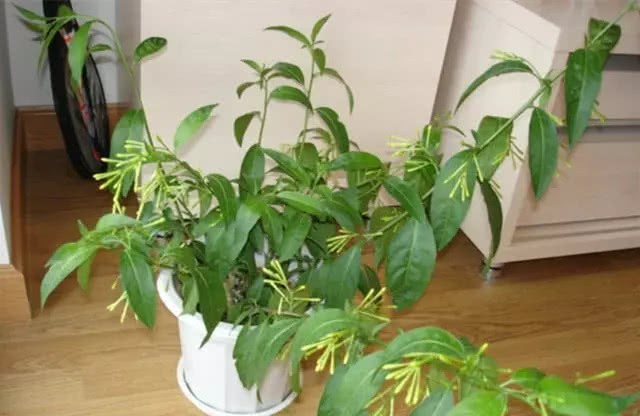
Many people in life like to grow flowers indoors at home, which can both beautify the environment and purify the air, killing two birds with one stone. But sometimes, due to a lack of understanding of flowers, some people mistakenly place flowers that are harmful to the body indoors, which can affect health. Growing flowers indoors has its rules, and there are "3 don'ts" for growing flowers. Many people get them wrong, stop ignoring them!
1. Try not to grow flowers that give off strong fragrances and pungent odors. For example, night-blooming jasmine (Cestrum nocturnum) and others can give off a rich aroma. This type of flower has too strong a fragrance, which will excite a person's nerves; especially when smelled for a long time in the bedroom, it will cause insomnia. The particles released by tulips and hydrangea, if contacted for too long, will cause skin allergies and itching. Orchids are also best not placed in the bedroom; the fragrance released by orchids will make people overly excited and cause insomnia.
2. Do not place toxic flowers indoors. Poinsettia cannot be grown indoors, because the white sap in the stems and leaves of poinsettia will irritate the skin and cause allergic reactions, and if the stems and leaves are accidentally eaten, it will also cause poisoning; the bulbs of narcissus contain lycorine toxin, and if a child accidentally eats them, it will cause symptoms such as vomiting; the sap of the leaves and flowers makes the skin red and swollen, and if the sap gets into the eyes, it will harm the eyes; mimosa is also not suitable for growing at home, because if you come into contact with mimosa too much, it will cause sparse eyebrows, yellowing of the hair, and even hair loss.
3. Do not place too many. It is not suitable to place too many flowers and plants indoors, especially in the bedroom; placing one or two pots is enough. Green plants carry out photosynthesis under light conditions and give off oxygen. But at night, green plants only carry out respiration, taking in oxygen and giving off carbon dioxide. If there are too many green plants indoors, at night they will compete with people for oxygen and give off more carbon dioxide, affecting the quality of sleep at night.
What is suitable to grow indoors?
Plants placed in the living room should have a dignified, spreading plant shape, mainly in warm colors. They can be foliage plants such as rubber tree (Ficus elastica), monstera (Monstera deliciosa), pothos (Epipremnum aureum), areca palm (Dypsis lutescens), Brazilian ironwood (Caesalpinia ferrea), and lady palm (Rhapis excelsa); flowering plants such as anthurium (Anthurium andraeanum), golden shrimp plant (Pachystachys lutea), Christmas cactus (Schlumbergera), cineraria (Pericallis cruenta), and large-leaf cymbidium (Cymbidium) etc.
The bedroom should create a beautiful and quiet atmosphere, with small to medium-sized, elegant plants, such as asparagus fern (Asparagus setaceus), spider plant (Chlorophytum comosum), ivy (Hedera helix), pothos (Epipremnum aureum), lily (Lilium), and thornless succulents, such as gemstone plant (Graptopetalum paraguayense), squirrel's paw (possibly Kalanchoe), aloe (Aloe vera), calla lily (Zantedeschia aethiopica), and moth orchid (Phalaenopsis) etc.
Reply "ebook" to get a professional flower-growing ebook!
Reply: plant name (such asmoney tree): view growing methods