Add this kind of juice to lucky bamboo, and in 30 days it grows bird's nest roots and blooms big flowers
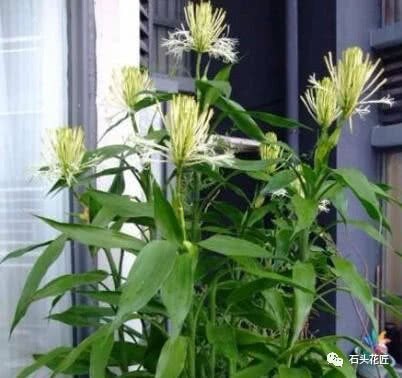
Many flower lovers like to keep some plants and flowers at home; they not only purify the indoor air and make the home full of vitality, but some potted plants can also bloom bright flowers, like clivia and Christmas cactus, which bloom beautiful, gorgeous flowers every winter, making the New Year more prosperous and festive.
Some potted plants kept at home also carry wonderful meanings, such as: a money tree kept at home, foretelling the bringing in of wealth and treasures; a peace lily kept at home, meaning peace and smoothness; lucky bamboo kept at home, meaning wealth and good fortune. These flowers have pleasant names and wonderful meanings, and can convey to people a positive, optimistic attitude toward life and psychological suggestion. Especially the very popular lucky bamboo: many friends like to place a pot of lucky bamboo in the entryway or living room at home; it is not only nice-looking and easy to grow, but also carries the wonderful meaning of family wealth and honor.
But in the process of growing lucky bamboo, many flower lovers run into the situation of yellow leaves and no growth. Today I will share a trick for growing lucky bamboo that not only keeps the plant from developing yellow leaves and makes it grow lush and emerald green, but also lets it grow dense roots and bloom many big flowers. So the topic I am sharing today is:
Add this "juice" to lucky bamboo, and in 30 days it grows "bird's nest" roots and blooms big flowers!
Flower lovers who have grown lucky bamboo know that lucky bamboo bought from the flower market generally has no root system, which is what we often call bare-root flowers. This kind of bare-root lucky bamboo must be processed after purchase before it can be potted and grown. Generally, cut the base of the lucky bamboo diagonally at 45 degrees, which can increase the area through which the plant's roots absorb nutrients, then trim off the yellow and rotten leaves on the upper part to reduce the plant's consumption of nutrients.
Add the juice
Willow is a tree seen everywhere. Many friends may not know that willow branches contain a substance called salicylic acid, which can promote the growth of plant roots and is also a natural fertilizer for plant growth. So the aqueous solution made from willow branches can promote the growth of lucky bamboo roots. Generally, trim a few fresh, living willow branches, soak them in water for one day so that the salicylic acid in the willow branches fully dissolves into the water, and the resulting aqueous solution can be used to grow lucky bamboo. If the aqueous solution looks pale yellow, that is because the concentration is too high; after diluting it at a ratio of 1:2, it can be used.
After inserting the trimmed lucky bamboo stems into the flower pot, add the diluted willow branch solution; adding water to half of the bottle is enough, and then the lucky bamboo can fully absorb the salicylic acid in the solution. Generally, when growing it indoors, change the water once a week, and this salicylic acid aqueous solution can be used each time. In about a week you can see the lucky bamboo grow white roots; with proper care, after one month the lucky bamboo can grow dense, vigorous roots. Of course, as the lucky bamboo roots grow, the plant will also become thicker and stronger, with more and more new leaves.
Of course, lucky bamboo can also be grown in soil, that is, cultivated in the soil of a flower pot. Grown this way, lucky bamboo can absorb richer nutrients; with reasonable and proper cultivation, the plant can even bloom beautiful white flowers. Generally, hydroponically grown lucky bamboo is very hard to make bloom, so if you want lucky bamboo to be able to bloom, you have to put it in a flower pot and grow it in soil. Starting each summer, spray the lucky bamboo once every two weeks with a 0.2% monopotassium phosphate aqueous solution; this can promote the development of lucky bamboo flower buds, making it possible for it to bloom beautiful flowers.
Of course, many flower lovers easily run into the problem of yellow leaves in the process of growing lucky bamboo:
Yellow leaves on lucky bamboo
Yellow leaves appearing on lucky bamboo grown indoors are mainly due to root rot, poor ventilation in the growing environment, poor lighting, and so on. So when growing lucky bamboo, after yellow leaves appear, first check whether the plant's roots are healthy. If rot has occurred, you can choose to throw it away or trim it and replant; if no rot has occurred, you can trim off the yellow leaves, place the plant in a living room with scattered light and good ventilation; change the water once a week to keep the water clean, then add half a tablet of ferrous sulfate to the water to supplement fertilizer for the plant.
If you find it useful, please like it below, follow, and forward it to more friends.
I am [Stone Gardener], and I share little flower-growing tips every day, remember to follow.