How to handle tulip bulbs? Just 3 steps to get everything ready
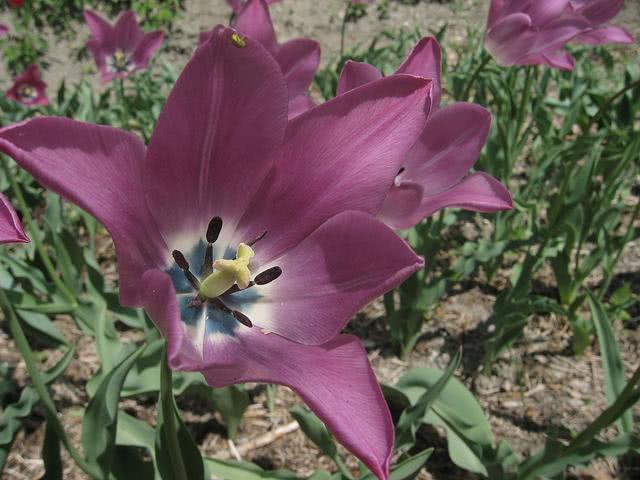
Tulips are an extremely beautiful flower. On top of that, their name sounds lovely too and has a certain romantic quality, and in some foreign places they exist as a national flower! With the Mid-Autumn Festival approaching and the weather already turning cold, gardening friends are all thinking about growing a tulip at home, right? So what should you do to avoid wasting tulip bulbs?
First of all, if you want to grow tulips, you should start by choosing the right bulbs. But some sellers outside use rather inferior bulbs to put out for sale, so if we want to get a beautiful tulip, we first need to develop a pair of sharp eyes! When choosing bulbs, you should buy the plump ones that are not damaged!
Preparation work: Before growing tulips, you should first prepare some things, such as: a breathable flower pot, fertile and breathable soil, and solutions such as carbendazim, all of which are indispensable for growing flowers!
Step 1: Remove the outer skin from the bulbs
In this step, removing the outer skin from the bulbs is a very key step and must not be overlooked. First, disinfect them by putting the bulbs into a carbendazim solution and soaking them for about half an hour. After taking them out, you need to peel off the outer skin, otherwise it can easily lead to failure to sprout!
Step 2: Cover with soil to secure them
Before putting the bulbs in, you generally need to place some substrate in the flower pot so the bulbs do not directly touch the bottom of the pot. After adding the substrate, first place one bulb in the middle of the pot, then plant the bulbs according to the pot. In a pot about 18cm wide, you can place several bulbs. When placing them, we can leave one sprout tip of the bulb exposed, and near the sprout tip, we can use a little soil to secure it, to prevent it from growing crooked later.
Step 3: Care after planting, especially watering and fertilizing
Right after planting the tulips, you need to water them a little and keep the potting soil continuously moist. Next, you need to place the flower pot in a breathable and ventilated place, and remember never to let direct sunlight hit the tulip bulbs.
Judging by time, it only takes about 10 days to sprout. After sprouting, you should increase the light it receives, which can promote the plant's growth! Besides following the plant's growth, in the later stage of plant growth we also need to apply additional fertilizer. The editor suggests using organic fertilizer, as this can be a bit more environmentally friendly.
I believe everyone should have memorized the points mentioned above by now. If you are preparing to grow tulips, you can read this article first, and maybe you will get some unexpected surprises!