Jasmine grows poorly and struggles to bloom in early autumn; 4 steps to save it and force one last wave of flowers
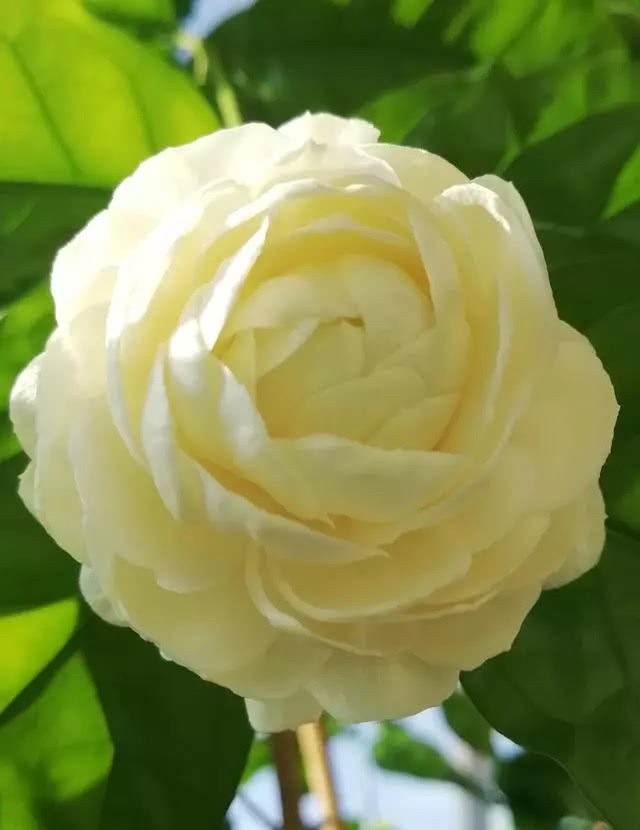
In the breezy autumn days, the footsteps are approaching us. We used to say that the scorching sun is the nemesis of many flowers, but little do we know that even in the crisp autumn wind, some flowers still cannot escape disaster. Especially that pure white and fragrant "little fresh" of the flower world, jasmine, reacts particularly badly in this season.
Many flower lovers say that after entering autumn, the jasmine at home is either "listless" or dispirited, looking really distressing, and where is the "little fresh" posture of the flower world? If jasmine is like this, it is mostly because some care methods are wrong. Below, the editor will introduce a few tips for everyone; once you learn them, getting a full pot of blooms is no problem.
Flower lovers who have grown jasmine should all know that jasmine is actually an acid-loving plant, so when choosing soil, naturally choose slightly acidic soil. But after the soil is maintained for a period of time, it will gradually become saline-alkaline due to watering, fertilizing, and loss of nutrients. At this time, many jasmine plants will look like they are growing poorly, especially for friends in northern regions, who particularly need to pay attention to this problem.
1. So how can the soil of jasmine always remain acidic? In the jasmine care circle, many flower lovers have their own set of methods. When potting up jasmine, we can add a little pine needle soil at the bottom of the pot or bury some pine needles. The pine needles should be dried and fermented before use. In subsequent care, the soil will then be slightly acidic, and also relatively fertile and loose.
2. In addition to working on the soil, we can also add a little ferrous sulfate when watering jasmine. Ferrous sulfate is sold online or in stores; just use it according to the instructions. Or add a few drops of white vinegar when watering, which can also improve the acidity of the soil.
Some flower lovers also use orange peel to make homemade organic acid fertilizer for jasmine. Usually collect some orange peels, dry them, chop them up or put whole pieces into a plastic bottle with some clean water, seal and ferment for about 10 days, then add a little when watering jasmine and water together. The principle for watering jasmine is to water when dry and let it dry between waterings; the specific watering interval depends on the local weather conditions.
Now the autumn air is relatively dry, so you can water once in the morning or evening. If the air humidity is below 50%, you can mist around the jasmine to increase air humidity. For flower lovers who really find it hard to judge watering time, you can use a plant monitor to help. Just insert it into the potting soil, and through your phone you can see changes in soil moisture, fertility, air humidity, and temperature. Simple and convenient.
3. If you want jasmine to grow energetically and bloom often, you must topdress regularly. Blooming once is like a woman giving birth once; vitality is damaged and energy needs to be replenished. We can use an acidic organic nutrient solution for jasmine. Its unique humic acid can improve the soil quality for jasmine. With consistent use, jasmine will grow better and bloom more.
4. If you want jasmine fragrance to fill the house, remember to give it more sun. The more sun it gets, the more fragrant the flowers. When caring for jasmine normally, do every detail well, and I believe you will definitely be able to grow jasmine very well.