Add this to the soil when propagating kalanchoe and it will root quickly, multiplying 50 pots in 2 months
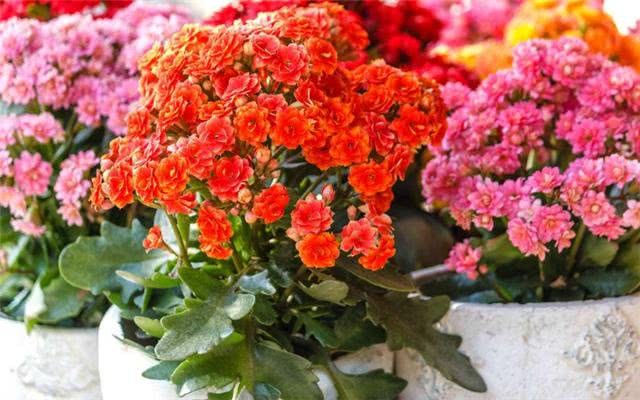
Kalanchoe (Kalanchoe blossfeldiana) is a typical balcony flower, with very rich flower colors, and its blooms are not large but very densely clustered. Kept on the balcony as usual, when it blooms it looks like a small garden. Flower lovers simply must grow it. With kalanchoe of several colors blooming on the balcony, it is absolutely stunning! Kalanchoe is cheap and also quite easy to propagate, so many flower lovers grow it. Let us take a look below at some tips for propagating kalanchoe.
Tips for propagating kalanchoe
You can propagate several pots of kalanchoe at a time, and you can keep a record of the light and watering, which makes it easy for flower lovers to understand the growing habits of kalanchoe. Generally, a temperature of 15-26 degrees can be maintained, and such moist soil and ample sunlight are very suitable for kalanchoe growth.
Some flower lovers also use aspirin to grow kalanchoe. It can promote rooting and survival, and make the roots and stems of kalanchoe strong, and can increase the absorption capacity of the plant's root system. Aspirin powder used in flower propagation is a natural rooting powder, and it is no inferior to any rooting powder on the market. Watering flowers with aspirin liquid can also make plant leaves greener, and potted fruit trees will bear more fruit.
Aspirin is a natural rooting agent. It can be crushed into powder and used in soil for propagation. You can dissolve the tablets, then soak the kalanchoe branches in aspirin water for 2-3 hours, which can promote survival and rooting. This method can also be used for propagating roses and rubber trees (Ficus elastica) as usual.
That is all for the tips on rooting kalanchoe cuttings. Flower lovers can also cut willow twigs into small pieces and soak them in a bottle for a week; the water in it can be used as a rooting agent. This has been shared before, and flower lovers can look at previous articles. You only need to soak willow twigs in water for a few days to get it, and it is very suitable for growing flowers and promoting plant rooting.